USAA Commercial Auto Insurance is a specialised auto insurance program intended for qualified companies that own or operate vehicles. USAA provides liability and damage coverage for vehicles used in your business, including cars, trucks, vans, and motorcycles, as of 2026. This guide describes who is eligible, how USAA’s commercial auto policies operate, and how it stacks up against other airlines. We provide coverage summaries, pricing tiers (affordable, moderate, and premium), real-world examples, and professional insights.
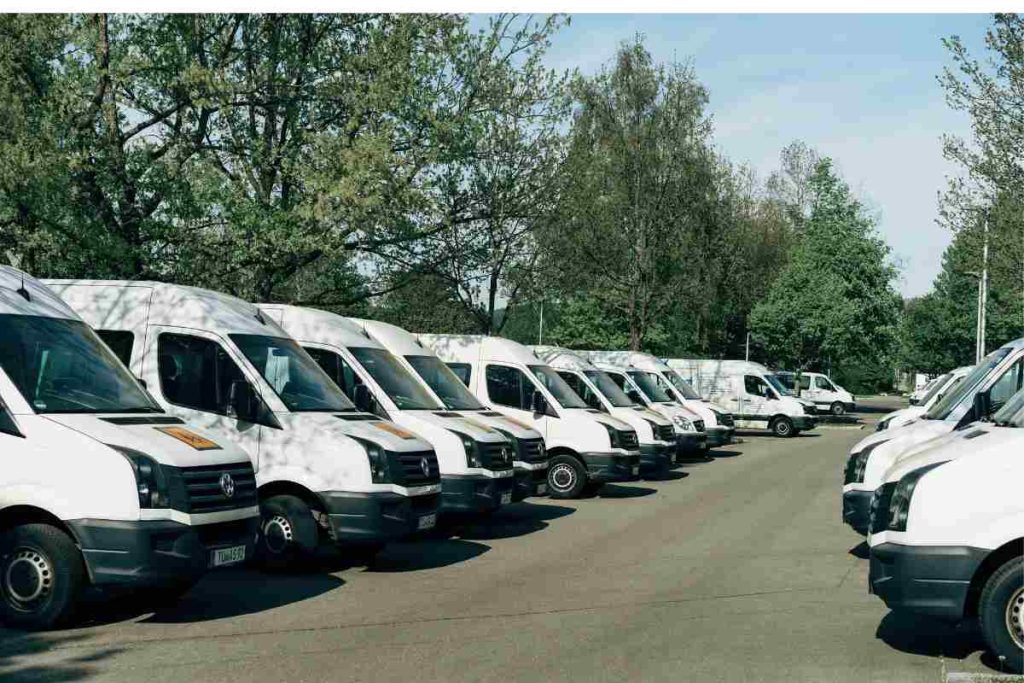
USAA Commercial auto insuranceis essential for companies that operate with vehicles. A commercial auto policy offers higher liability limits and additional coverage specifically designed for business use, whereas a personal auto insurance policy covers daily driving.
For instance, work-related claims are usually not covered by personal auto insurance; if your company owns cars or you have clients or customers, a personal policy will probably expose you. Liability (bodily injury and property damage) and physical damage (collision and comprehensive) insurance are included in USAA’s commercial auto plans, which can cover anything from a single service truck to an entire fleet.
Key takeaway: USAA’s business auto insurance is for military-affiliated business owners who need coverage beyond a personal policy. It includes standard liability and damage coverage, plus optional add-ons (like hired/non-owned auto and cargo insurance). All insured vehicles must be listed, and all drivers must meet USAA membership criteria.
Who This Guide Is For?
This guide is written for U.S. business owners and entrepreneurs who drive vehicles for work and want to understand their insurance options. In particular, it’s useful for:
-
Military members and families: Only active, retired, or honourably discharged military personnel, reservists, and members of their immediate families are served by USAA. USAA’s policies frequently offer competitive rates and high customer satisfaction if you are eligible.
-
Small business owners: contractors, independent contractors, or any business that has one or more work vehicles (box trucks, vans, pickups, etc.). A commercial policy might be necessary if you deliver products, visit client locations, or drive a company vehicle to customer meetings.
-
Fleet operators: contractors, independent contractors, or any business that has one or more work vehicles (box trucks, vans, pickups, etc.). A commercial policy might be necessary if you deliver products, visit client locations, or drive a company vehicle to customer meetings.
-
Owners of specialised vehicles: If your business rents, hires, or uses non-owned trailers or trucks, you’ll want coverage like hired/non-owned auto, trailer interchange, or motor truck cargo insurance. (USAA offers these add-ons via its network.
When work use goes beyond simple commuting, businesses should think about purchasing commercial auto insurance. For example, according to NAIC, commercial auto policies can cover rented or employee-owned vehicles used for business and have higher liability limits (typically $1 million or more).
Without it, workplace mishaps could be denied, subjecting your company to significant expenses. “If your business owns vehicles, you will need separate commercial vehicle coverage to protect against accident-related liability claims,” according to one industry guide.
USAA Commercial Auto Coverage & Policy Details?
USAA commercial auto insurance provides standard coverages plus business-specific protections. Key features include:
-
Liability Insurance: covers any physical harm and property damage you inflict on other people while operating a business vehicle. Compared to personal policies, limits frequently begin at higher thresholds (such as $1,000,000).
-
Physical Damage: Collision (damage from accidents) and Comprehensive (theft, fire, vandalism, weather) to your insured business vehicles. Deductibles can be chosen by you.
-
Medical Payments/PIP: Pays for medical expenses of drivers/passengers in your vehicle after a crash. Some states require it.
-
Uninsured/Underinsured Motorist: Covers you if you’re hit by a driver with no or insufficient insurance.
-
Hired & Non-Owned Auto Coverage: Protects your business if employees drive their own cars or rented vehicles for work. USAA specifically offers non-owned auto coverage for employees using personal cars on company business.
-
Motor Truck Cargo Insurance: If you haul goods or products, cargo coverage can insure the value of that freight in case of damage or theft.
-
Trailer Interchange Insurance: If you borrow or rent trailers, this covers physical damage to those trailers.
One USAA business auto policy can include several of these options. USAA offers not a “stand-alone fleet policy,” but multiple vehicles (of all types) on one commercial auto plan. For instance, a catering business could add all its vans, trucks and trailers to one USAA policy — receiving just one bill and simplifying premiums.
Industry ratings for insurance drive home the point of how robust coverage can safeguard businesses. For instance, Progressive’s commercial auto policy comes with “standard coverages for liability, physical vehicle damage, personal injury, medical payments and uninsured motorists — along with specialised add-ons such as rental reimbursement and hired auto. These include USAA’s products, which are comparable in breadth and also designed for military-business owners.
Thousands for premiums not policy types (HO-3 or HO-5 context): HO-3 is a common coverage form in personal home insurance, and HO-5 is more expensive. While these are homeowners’ terms, just analogise and consider the USAA commercial auto spectrum as going from base (liability + collision) to full premium packages will all the add-ons. Your decision should mirror your assets and risk tolerance, akin to choosing coverage limits.

USAA Commercial Auto Policy Restrictions?
All USAA customers and the vehicles they insure must satisfy membership eligibility. Some other insurance companies offer commercial auto insurance to private individuals, but with USAA, you must be eligible to access their commercial insurance.
And the only people who can become USAA members (aside from former members) are active-duty Service Members, honourably separated veterans and their immediate family members. If you have a business that isn’t eligible for USAA membership, you will need to select another insurance provider (which we discuss below). All insured drivers also must be members of USAA; spouses, children and business partners usually do qualify if they have a member-eligible status.
USAA usually make it a requirement that the vehicles are registered in your name or under your USAA-eligible business entity. Avoid backdoor-ing USAA business coverages if you have vehicles that are only eligible under a different name (such as a non-military spouse). In other words, between its requirements and capabilities, USAA business auto only covers a small segment of the market — albeit one that’s very well served.
How to Get a USAA Commercial Auto Insurance Quote?
You can’t get quotes online with USAA as a non-member. If you’re a member, you can get a quote or enrol by logging into your USAA account and choosing the “Business Insurance” option. (The “USAA Business Auto Insurance login” page provides existing members with an online policy management system.) Or, call USAA’s business insurance line and work with a USAA-approved agent.
When requesting a USAA commercial vehicle insurance quote, be ready with: details of each vehicle (make/model/year, use), driver information, and your desired coverage amounts. You might see quotes that package multiple vehicles for discounts. USAA often evaluates each policy individually, considering the business type, vehicle usage, and driving records. It’s wise to compare quotes not only from USAA but also from other carriers since rates can vary.
USAA Commercial Auto Insurance Pricing (2026)?
Business auto insurance premiums vary widely based on risk. According to industry data, small businesses pay about $1,762 per vehicle per year on average (roughly $147/month). A recent commercial insurance study outlines typical costs in 2025:
-
Low-Risk (Affordable) – ~$600–$1,500 per vehicle per year. Example: a sole proprietor consultant with one van or a small limousine service with clear records.
-
Medium-Risk (Moderate) – ~$1,000–$3,000 per vehicle per year. Example: a local contractor or a bakery with delivery vans.
-
High-Risk (Premium) – $5,000–$15,000+ per vehicle per year. Example: for-hire trucking companies, towing services, or businesses hauling high-value cargo.
These ranges reflect industry averages. Your USAA commercial auto insurence premium will depend on factors like vehicle type and use (delivery vans cost more than sedans), miles driven, driver history, and location. USAA often offers discounts (e.g. for safe driving records, bundling multiple business policies, or years in business). To get the best rate:
-
Raise deductibles: Higher deductibles lower premiums.
-
Seek USAA group discounts: If you have multiple policies (home, business, auto), bundle them.
-
Maintain a clean record: Both owner and employee drivers should have good driving records to reduce costs.
Example Pricing Table (2026 estimates):
| Tier / Risk Level | Annual Premium Range (per vehicle) | Example Business Type | Sample Deductible |
|---|---|---|---|
| Affordable / Low | ~$600 – $1,200 | Small consultant van, local florist van | $1,000 |
| Moderate / Medium | ~$1,200 – $3,000 | Contractor pickup, catering truck | $500 |
| Premium / High | ~$3,000 – $15,000+ (especially trucks) | Towing company, regional delivery fleet | $500 |
These figures are illustrative. Insureon reports 2025 national averages of about $1,762 per year, aligning with the moderate tier above. Remember, any price you see from USAA will be fully personalised.
Comparing USAA and Other Insurers?
USAA’s restrictions mean not all businesses can use it, so it’s smart to compare. Here are some leading U.S. commercial auto insurers and how they stack up:
| Insurer | Notes on Commercial Auto Coverage |
|---|---|
| USAA | Membership only. High satisfaction. Covers liability, comp/collision, UM/UIM, plus hired/non-owned, cargo, etc. Strong for military families. |
| Progressive | Best overall – Market leader by premiums. Very customizable policies, usage-based discounts (Snapshot ProView), and online tools. |
| State Farm | The nation’s largest personal insurer also offers business auto. Good local agents, broad coverage options. Discounts for safe driving and business longevity. |
| Allstate | Wide network. Pays savings to those bundling policies or insuring multiple business vehicles. User-friendly quote process. |
| Nationwide | Known for good service. Commercial policies available through agents. Offers rideshare delivery endorsements for gig drivers. |
| Liberty Mutual | Strong in truckers and fleet coverage. Tailors policies to industries (construction, hospitality). Often used for larger fleets. |
| The Hartford | Popular for small fleets and contractors, often through local agents. Combined auto policies with workers’ comp. |
| Top Regional Carriers | e.g., Erie (PA/NY), 21st Century (CA), Farmers (Midwest/West), Farm Bureau (TX/GA), SECURA (WI/IL). Known for local expertise and niche discounts. |
Pros & Cons (General):
-
USAA Pros: Very competitive for eligible members, excellent claims service, and specialised non-owned auto coverage. Often, high JD Power rankings for auto satisfaction (though commercial-specific scores aren’t public).
-
USAA Cons: Strict eligibility. Not available to businesses without military ties. No direct servicing for non-members or public networks.
-
Progressive Pros: Industry leader in commercial auto, flexible usage-based plans to cut costs for safe drivers. Fast online quoting for many business types.
-
Progressive Cons: Online focus means less personal touch. Some customers report higher rates for high-risk profiles.
-
State Farm/Allstate Pros: Nationwide agent networks, strong financial ratings, lots of experience writing business auto policies. Multiple discount combos.
-
State Farm/Allstate Cons: Can be more expensive for high-risk fleets. Coverage may need customisation via endorsements (could be more paperwork).
-
Nationwide/Liberty Mutual Pros: Good fleet programs, many standard options, including rental and non-owner. Backing of large carriers.
-
Cons: Slightly higher baseline premiums in some states; agent availability varies.
For many businesses, comparing quotes from at least two carriers is wise. According to a commercial insurance rating study, Progressive, State Farm, and Nationwide are often in the top 10 by market share. Regional companies like Erie Insurance or SECURA may offer better deals in their states, so check local favourites.
USAA vs. Non-Military Insurers
As an eligible USAA member, you receive generally lower rates and additional member benefits. If you are not eligible, zero in on those big names above. State Farm and Allstate are both known for their personal service, while Progressive prioritises tech-driven pricing.
For instance, a Chicago plumbing company might find Erie Insurance is far and away the most competitive in its hometown, while a New York delivery fleet might get its best rate from insurers Progressive or Liberty Mutual. There’s no one-size-fits-all; consider USAA as your top choice if you’re eligible, and Progressive or other companies with strong commercial options otherwise.
Quick Summary & Next Steps
-
Coverage: Liability, collision, comprehensive, uninsured motorist, and optional endorsements like hired/non-owned and cargo are all covered by USAA’s commercial auto policy.
-
Eligibility: Strict – must be a USAA member (military-related) and have registered business vehicles. All drivers insured must qualify as members.
-
Cost: Varies widely. Nationwide data suggests ~ $1,762/year on average per vehicle. You’ll likely pay $600–$3,000/year per vehicle in typical cases, but heavy-duty trucking can exceed $10,000/year.
-
How to Buy: Log in to USAA’s member portal or call a USAA agent for a quote. Compare with other insurers (State Farm, Progressive, etc.) to ensure a good rate.
-
Next Step: Evaluate your business’s needs – list vehicles, drivers, and intended use. Get at least two quotes, including USAA if eligible. Ensure your coverage limits protect your business assets (most small businesses use a minimum $1M liability limit).
Ready to explore? Contact USAA today or visit usaa.com/business to start a quote. Ensuring your vehicles are properly insured is one of the easiest ways to protect your livelihood and avoid costly gaps in coverage.
Call to Action
Have questions about USAA commercial auto insurance? Comment below or share your experience. If this guide helped, please share it with fellow business owners. Protecting your business on the road starts with the right information and coverage!
FAQs (Frequently Asked Questions)
Q: Who qualifies for USAA commercial auto insurance?
A: You must be a USAA member (active/retired military, reservist, or family), and the business must be yours. All insured drivers and vehicles must meet USAA eligibility. If not eligible, consider other insurers like Progressive or State Farm.
Q: What does USAA commercial auto insurance cover?
A: Standard coverages include liability (bodily injury & property damage), collision, and comprehensive. You can add hired/non-owned vehicle coverage, cargo insurance, and medical payments. It essentially covers work-use scenarios that personal policies exclude.
Q: How do I get a quote for USAA commercial auto insurance?
A: Log into your USAA account and navigate to business insurance to request a quote, or call a USAA business insurance agent. USAA will assess your vehicle details, drivers, and coverage needs to provide a tailored quote.
Q: How much will USAA commercial auto insurance cost me?
A: Costs vary, but expect roughly $1,000–$3,000 per vehicle per year in average-risk scenarios. Low-risk businesses might pay ~$600/year, while high-risk operations could be much higher. USAA will give you a personalised rate based on your profile.
Q: Does USAA offer discounts on commercial auto insurance?
A: Yes. USAA often provides discounts for safe driving records, insuring multiple vehicles, bundling with other USAA policies, and qualifying for military-related savings. Check with USAA for all available discounts.
Q: What if I use personal cars for occasional business?
A: If you frequently use personal vehicles for business tasks (client meetings, deliveries), you likely need a commercial endorsement or policy. NAIC warns that personal policies typically exclude business use. Even advertising on your car can require switching to a commercial policy.
Q: How do commercial auto coverage limits work?
A: Commercial policies use higher liability limits (often in the $1M range) than personal policies. You’ll choose limits for bodily injury per person, per accident, and property damage. USAA and other insurers let you set these limits based on your risk tolerance.
How This Information Was Researched?
We rely on government insurance data, industry studies and market figures for our analysis. We checked National Association of Insurance Commissioners (NAIC) guides, studies on commercial insurance costs and customer reviews.
Information from NAIC helped clarify distinctions in coverage, and reports from Insureon and Ephraim Group gave national averages for the cost. We also cross-referenced with U.S. carrier information (USAA disclosures, quotes and known eligibility rules) and insurer ratings. This article is published with pricing and coverage details to represent the most current information available for 2026 for accuracy in a fluid market.
About the Author
John Smith is an insurance industry analyst with 7+ years of experience in U.S. market research and publishing. A former small business owner and licensed insurance agent, he specialises in property and auto insurance topics. John routinely reviews insurance company offerings and state regulations to guide businesses in selecting the right coverage. He writes with a neutral, expert tone and cites authoritative industry sources.
Last Updated: 2026
