USA commercial auto insurance gives businesses big peace of mind. If you use cars, trucks, vans, or any vehicles for work, a solid business vehicle policy keeps you protected on the road. This guide explains what commercial auto coverage involves, why your company needs it, and how to choose the best plan in the USA.
Commercial auto insurance in the USA is different from a regular personal policy. It covers vehicles that companies use, including drivers and passengers on the job. With USA commercial auto insurance, you can cover damage to your vehicles, liability claims, medical costs, and more.
Think of it as a safety net for your business vehicles. For example, if your company’s delivery van gets into an accident, this policy can help pay for repairs and medical bills.
Every business with a company car, truck, or fleet should consider commercial auto insurance. Whether you run a small startup with one vehicle or a large fleet, this coverage can save you thousands. In fact, businesses face higher risks on the road, making USA commercial auto insurance a wise investment.
For example, industries that often need this coverage include:
-
Construction & Contracting: Driving vans or trucks loaded with tools and materials.
-
Delivery & Logistics: From pizza shops to courier services, vehicles are on the road constantly.
-
Sales & Service: Real estate agents, consultants, or tech installers who use company cars to meet clients.
-
Retail & Wholesale: Companies transporting inventory between locations or directly to customers.
-
Food & Catering: Businesses delivering perishable goods that require timely transport.
Each of these industries relies heavily on vehicles, so personal auto insurance often isn’t enough. Key benefits include tailored liability protection, coverage for employees driving your vehicles, and options for multiple-vehicle fleets. Let’s dive deeper into the details below.
What is Commercial Auto Insurance?
Commercial auto insurance is a specialised policy that covers vehicles used for business. Unlike personal car insurance, a commercial policy protects company-owned vehicles, hired vehicles, and even employee-driven vehicles on work duties. It typically includes several coverage parts: liability, collision, comprehensive, medical payments, and more. Many companies also add cargo insurance or hired/non-owned auto coverage to handle rented or leased vehicles and third-party drivers. Essentially, if an accident involves a business vehicle, this insurance covers costs that a personal policy wouldn’t.
-
Company Vehicles: Own one or a fleet of vehicles? Commercial policies cover all registered business vehicles, from cars to heavy trucks.
-
Employee Drivers: If employees drive company vehicles or use their own for business, commercial auto plans can extend coverage to them.
-
Liability and Damages: Policies cover damages to other people’s property and injuries in accidents involving your business vehicles (this is called commercial liability protection).
-
Business Use: Delivery vans, service vehicles, or any car used for business activities fall under this coverage. Personal auto policies usually exclude such use.
For total protection, consider how USA commercial auto insurance would handle a claim versus a personal policy. In many cases, without commercial coverage, the business owner could be financially responsible for damages.
Business Car Insurance vs. Personal Auto Insurance?
Many business owners wonder if they can rely on personal insurance or need a separate policy. In the USA, business car insurance is usually required when a vehicle is used primarily for business. Personal auto insurance often excludes damages from commercial use. For example, if a personal car is regularly used to make deliveries or haul equipment, a personal policy may not pay out on a claim. A commercial policy, however, covers these situations and usually offers higher liability limits.
Using a vehicle without proper business insurance can be risky. If an accident happens during work duties, your personal insurer may deny the claim. That could leave your business on the hook for medical bills or repairs. USA commercial auto insurance ensures you and your drivers are covered on the road. Think of it as responsible company vehicle coverage; without it, a simple accident can become an expensive problem.
Types of Coverage in a USA Commercial Auto Plan?
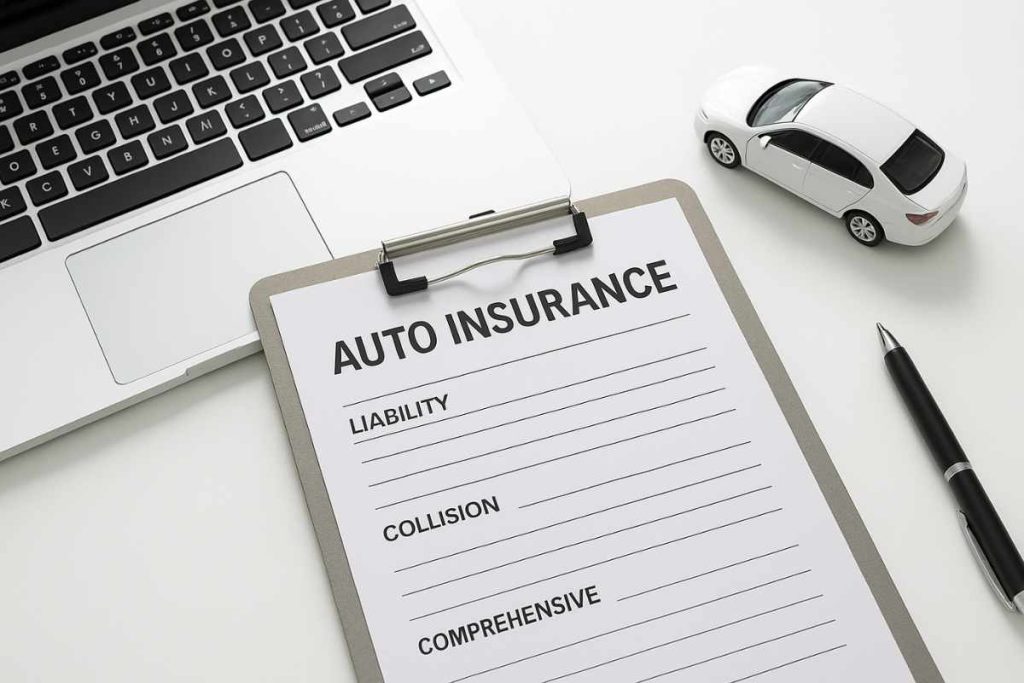
A typical USA commercial auto insurance plan bundles several types of coverage. Key ones include:?
-
Liability Coverage (Commercial Liability USA): Pays for injuries or property damage you cause to others while using a company vehicle. This part protects your business from costly lawsuits and claims.
-
Collision and Comprehensive: Covers damage to your own vehicles. Collision covers accidents (like hitting another car), while comprehensive handles non-collision events (like theft, fire, or severe weather damage).
-
Medical Payments/Personal Injury Protection: Pays medical expenses for injuries to the driver and passengers of your company vehicle after an accident, regardless of fault.
-
Uninsured/Underinsured Motorist: Protects your business if you’re in an accident caused by someone with little or no insurance coverage.
-
Hired & Non-Owned Auto Insurance: Covers vehicles you rent or drivers who use personal cars for business trips. For example, if an employee rents a car for a work trip, this coverage steps in.USA commercial auto insurance
-
Gap Coverage: If you finance your vehicles, gap insurance covers the difference if your car is totalled and you owe more than its actual value.
Some plans also offer add-ons like rental reimbursement or roadside assistance, which can be helpful for business use. When choosing a policy, make sure these coverages match your needs. For instance, companies that haul goods may need cargo insurance, while service businesses might focus on liability.USA commercial auto insurance
Commercial Fleet Insurance USA?
For businesses with many vehicles, commercial fleet insurance USA plans often provide volume discounts and easier policy management. If your business owns multiple vehicles, a commercial fleet policy is worth considering. Instead of insuring each vehicle separately, fleet insurance lets you cover a group of vehicles under one plan. This can simplify management and often save money.
USA commercial auto insurance for fleets is ideal for businesses like delivery companies, car services, or any company with a large fleet. Insurers often offer discounts for multiple vehicles and drivers with clean records. A fleet policy can also be customised—for example, you might assign specific vehicles to certain drivers or locations.
Managing a fleet means managing risk. With all your vehicles on one plan, it’s easier to track renewals and ensure each vehicle has proper coverage. Fleet insurance typically requires each vehicle to be registered, but it can streamline claims processing. Many businesses find that bundling their vehicles under one USA commercial auto insurance policy reduces paperwork and provides consistent coverage for everyone.
Choosing the Right Coverage and Plans?
Selecting the best commercial auto coverage involves evaluating your business needs. Here are some tips:
-
Inventory Your Vehicles: List all cars, trucks, vans, or speciality vehicles your business uses, and note their purpose (delivery, transport, sales, etc.).
-
Assess Usage: Determine how often each vehicle is driven, by how many drivers, and for what tasks. High-mileage or long-haul vehicles may need higher coverage.USA commercial auto insurance
-
Driver Profiles: Compile driver records. Employees with clean driving histories and safety training can lower premiums. For routes with higher risks (like city deliveries), consider additional safety measures.
-
Coverage Limits: Choose liability limits that protect your business assets. Minimum coverage varies by state, but most businesses opt for higher limits for better protection.
-
Compare Quotes: Get quotes from multiple insurers. Look beyond price: compare deductibles, claims service, and customer reviews. Ask specifically about commercial auto plans and what discounts they offer.
-
Consider Add-Ons: If your drivers use rented vehicles or run many errands, add hired/non-owned coverage. If you finance vehicles, add GAP. If carrying equipment, add tools or cargo insurance.
-
Bundle Policies: Check if bundling with other business insurance (like general liability or business owners’ policies) lowers overall costs.
-
Confirm Details: Ensure the policy explicitly covers your business use. For example, verify that USA commercial auto insurance covers the specific tasks and locations of your operations (like cross-state travel or heavy loads).
-
Check Legal Requirements: Make sure you meet any state or federal minimums. For example, interstate truckers often need special filings (like an MCS-90 endorsement) to keep their coverage valid.
Treat shopping for insurance like hiring an employee. Talk to insurers or brokers, explain your business, and see who offers the best combination of coverage and value. The right USA commercial auto insurance plan will fit your industry and budget.
For example, a small delivery startup switched to an agent specialising in logistics companies. When one of their vans was totalled in an accident, the insurer promptly covered the damages as promised in the policy. The business owner credits the right coverage for saving his operation from financial disaster. You can often find real customer stories like this in insurer reviews or case studies online.
Reducing Commercial Auto Insurance Costs?
While ensuring good coverage, it’s smart to keep premiums reasonable. Factors like vehicle type, usage, driver records, and location affect rates. Here are some strategies:
-
Safe Driving Programs: Encourage employees to practice defensive driving. Fewer accidents and moving violations lead to lower rates.
-
Use Telematics: GPS trackers or apps that monitor driving behaviour (speeding, hard braking, etc.) can qualify you for discounts if drivers perform well.
-
Higher Deductibles: Choosing a higher deductible lowers the premium. Just make sure your business can cover that deductible if you have a claim.USA commercial auto insurance
-
Limit Personal Use: Clearly restrict how company vehicles are used. Personal trips increase exposure to accidents, raising insurance costs.
-
Annual Policy Review: Insurance rates change. Each year, request new quotes to make sure you still have the best deal.
-
Safety Features: Vehicles with safety features (backup cameras, lane-warning systems, etc.) often get discounts from insurers.
-
Seasonal Use: If certain vehicles are idle part of the year (e.g., winter shutdown), ask if you can pause coverage on those to save money.
Keep in mind, the goal is value, not just the lowest price. A slightly higher premium is worth it if it means better coverage. Review your policy yearly and adjust as needed, so your coverage and costs stay balanced.
Emerging Trends in Commercial Auto Insurance?
Technology and new business models are changing how commercial auto insurance works. Many companies now use telematics sensors or apps that track vehicle usage and driver behaviour. If your business van is driven safely, telematics data might earn you premium discounts. On the other hand, data can help identify risky patterns and lower claims, benefiting everyone.
Electric vehicles (EVs) and hybrid fleets are also influencing policies. USA commercial auto insurance as more businesses adopt electric delivery trucks or cars, insurers offer coverage for high-voltage batteries and electric motors. Some insurers even reward eco-friendly fleets with discounts or special coverage options.
Another trend is usage-based or pay-per-mile insurance. If your business vehicles are driven on a limited schedule, you may get a lower rate by paying for the miles actually driven. This model encourages efficiency and can be ideal for seasonal businesses.
Finally, expect faster claims processing. Insurance companies are using apps and AI to handle claims. For example, you might be able to report an accident through a mobile app and upload photos of the damage. This speeds up settlements so your vehicle gets repaired and back in service quickly.
Staying on top of these trends helps you choose the most cost-effective coverage. If a new tech solution suits your business, ask insurers whether they offer related discounts or policies.
Common Mistakes to Avoid?
-
Assuming Personal Coverage: Driving a personal car for business can leave costly gaps. Make sure you have commercial auto insurance if vehicles are used for work.
-
Underestimating Limits: Choosing the bare minimum liability may save money initially, but it can expose your business to high costs if damages exceed the limit.USA commercial auto insurance
-
Ignoring Policy Exclusions: Always read the fine print. Some policies exclude certain drivers, cargo, or vehicle uses (like interstate travel,l), which can surprise you in a claim.
-
Delaying Policy Updates: Did you add that new vehicle or driver? Not updating your policy promptly could void coverage if an accident occurs.
-
Skipping Required Endorsements: Certain businesses (like interstate truckers) need extra filings. For example, not getting the MCS-90 endorsement in the U.S. can lead to penalties and invalid insurance.
Where to Find USA Commercial Auto Insurance?
There are several ways to buy commercial auto insurance. You can work with an insurance agent or broker who specialises in business coverage. Agents can ask about your needs and compare plans from multiple insurers. Brokers often have access to regional carriers that you won’t find in general ads. Alternatively, some big insurance companies sell policies directly or through their websites.
When choosing, look for a provider experienced in your industry. For example, an agent who understands construction or transportation can recommend the right coverages. Ask if they offer 24/7 claims service and check customer reviews. It’s okay to call multiple agents or use an online quote comparison tool, but be clear about your needs (miles driven, driver history, cargo, etc..
Finally, consider company reputation. Established insurers with strong customer support and quick claim turnaround can save your business a lot of hassle. Don’t hesitate to ask questions like “How quickly do you handle claims?” or “Do you provide roadside assistance for fleets?” Finding the right insurance partner is part of optimising your coverage.
Understanding the Claims Process?
Knowing how to file a claim can reduce stress later on. If an accident occurs, prioritise safety and contact emergency services if needed. Then follow these steps:
-
Document the Scene: USA commercial auto insurance. Take photos of the damage, note other vehicles involved, and collect witness or police reports.
-
Notify Your Insurer: Most companies have a 24/7 claims hotline or mobile app. Report the accident as soon as possible to start the process.
-
Provide Information: Be honest and detailed about what happened. Give your insurance rep all necessary info (policy number, driver details, etc.).
-
Vehicle Inspection: An adjuster may inspect damages. They decide repairability and cost coverage based on your policy.
-
Repair and Reimburse: You or the shop you choose pays the deductible; the insurer covers the rest up to your limits. Keep all repair receipts. If you rented a replacement vehicle, submit those receipts, to,o if you have rental reimbursement.
Always keep records of calls and emails during this process. Prompt and accurate filing of claims helps the insurer process payments faster. Remember, with commercial auto insurance, you’re not alone when an accident happens.
Frequently Asked Questions
Q: What vehicles need USA commercial auto insurance?
A: Any vehicle used for business purposes typically needs commercial auto insurance. This includes company-owned cars, vans, trucks, and even trailers used for work tasks. If a vehicle is used primarily for business, commercial coverage is recommended.
Q: How does commercial auto insurance differ from personal auto insurance?
A: Commercial insurance is designed for business use. Personal auto policies usually won’t cover business activities (like deliveries or client visits). USA commercial auto insurance provides coverage when a vehicle is on company business, often with higher liability limits.
Q: Can my employees use their own cars for business?
A: Yes, but you may need hired & non-owned auto coverage. This extends coverage to vehicles that your business does not own, such as an employee’s personal car used for work. It ensures liability protection when your staff drive their own cars on company time.
Q: What factors affect commercial auto insurance rates?
A: Rates depend on vehicle type and age, driver history, business location, and usage (miles driven, purpose). For instance, a heavy-duty truck for deliveries will cost more than a small sales car. A fleet of safe, modern vehicles typically has better rates than older vehicles with risky drivers.
Q: Does commercial auto insurance cover cargo or tools?
A: Not in a standard auto policy. If you carry valuable cargo or tools, consider adding cargo insurance or inland marine coverage. These cover theft or damage to goods and equipment you transport.
Q: How can I find the best insurance plan for my business?
A: Compare quotes from multiple providers and focus on coverage details, not just price. Check for bundling discounts with other business policies. Working with an insurance broker who understands your industry can also help tailor the best USA commercial auto insurance policy for you.
Conclusion
Choosing USA commercial auto insurance for your business vehicles is a smart move. With the right coverage from basic liability to comprehensive fleet plans, you protect your company from costly accidents and claims. Stay proactive: maintain safe driving habits and explore available discounts to manage premiums.
Make sure to review and update your policy regularly as your business grows or changes. Do you have questions about company vehicle coverage or want to share your experience with commercial auto plans? We’d love to hear from you in the comments. If this guide helped, share it on your social media or with a colleague so others in the USA can benefit too. Stay safe on the road and keep your business moving!
A smart business owner takes insurance as seriously as any other expense. By comparing options and understanding each policy, you ensure peace of mind on the road. Stay informed about new discounts or industry trends that could benefit your fleet. Bookmark this guide for future reference and feel free to contact us with further questions. Drive safely!USA commercial auto insurance
