Introduction
Protective car insurance is essential to safeguard both your vehicle and your finances in today’s unpredictable driving environment. Car accidents remain a significant risk – the National Safety Council reports over 5.1 million medically consulted injuries and roughly $513.8 billion in economic costs from motor-vehicle crashes in 2023.
Protective car insurance is essential to safeguard both your vehicle and your finances in today’s unpredictable driving environment. Car accidents remain a significant risk – the National Safety Council reports over 5.1 million medically consulted injuries and roughly $513.8 billion in economic costs from motor-vehicle crashes in 2023.
A strong auto insurance plan can provide peace of mind on the road by covering repairs and medical bills, regardless of what happens.
In this guide, we’ll explain what protective car insurance entails, highlight key coverages like Personal Injury Protection (PIP) and Guaranteed Asset Protection (GAP), and show how to choose the best plan to protect your vehicle.
What is Protective Car Insurance?
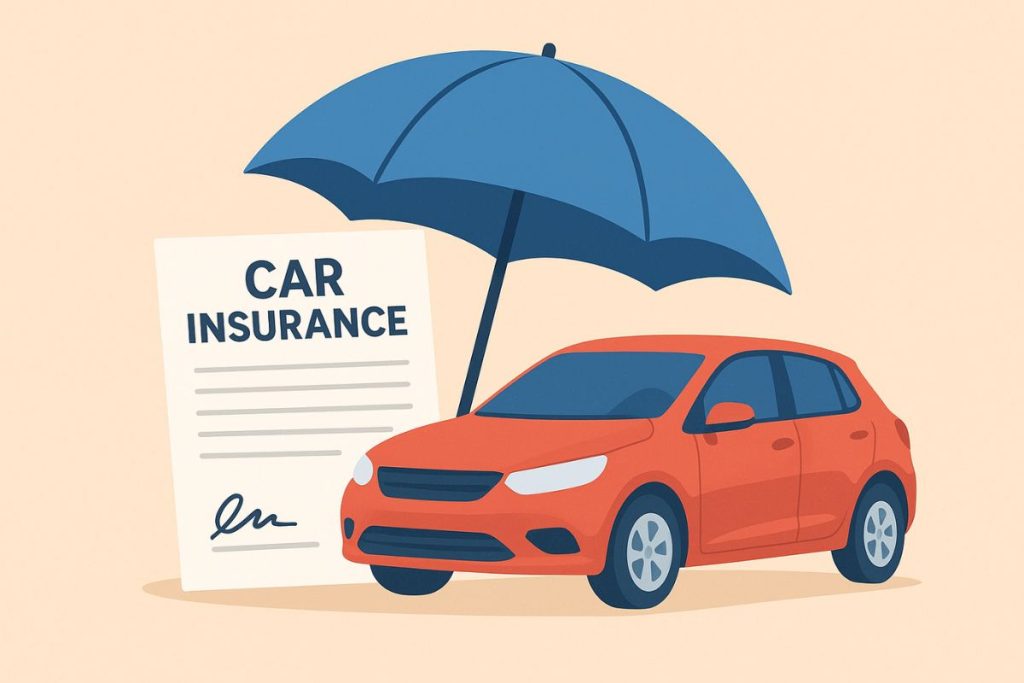
Protective car insurance refers to any auto policy designed to keep you and your vehicle safe from financial loss after an accident, theft, or other damage. It typically includes the basic mandatory coverages (liability insurance) and adds additional safeguards.
For example, it may combine liability with collision and comprehensive coverages to protect your investment. As one insurer puts it, a protective policy offers “security and peace of mind” on every trip. Key components of a protective plan can include:
- Liability Coverage: Pays for other people’s injuries or property damage if you’re at fault.
- Collision Coverage: Covers damage to your vehicle from a crash, no matter who was at fault.
- Comprehensive Coverage: Protects against non-collision losses, such as theft, vandalism, or weather damage.
- Personal Injury Protection (PIP): A no-fault medical coverage for you and your passengers (detailed below).
- Guaranteed Asset Protection (GAP): An add-on that covers the difference between what you owe and what insurance pays if your car is totaled (detailed below).
This combination of coverages ensures that a protective car insurance policy shields both your car and your wallet from unexpected costs.
Personal Injury Protection (PIP) Coverage?
Personal Injury Protection (often abbreviated as PIP) is a key component of many auto insurance plans. PIP is a no-fault coverage that pays for medical and related expenses after a crash, regardless of who caused it. Progressive Insurance explains that PIP covers your medical bills and lost wages if you or your passengers are injured.
Similarly, state insurance regulators note that PIP can cover “medical and hospital costs, wages you lose from missing work, [and] services you can’t provide”. In practice, PIP often includes:
- Medical and hospital costs (up to state limits).
- Lost income if you miss work due to injuries.
- In-home or other services (like childcare or housekeeping) you need while injured.
- Funeral costs in the worst case.
In states like Florida, carrying PIP is mandatory. Florida law requires drivers to have at least $10,000 PIP per person, which covers 80% of eligible medical costs. In other states, PIP may be optional, but it’s often recommended as part of a protective car insurance package to ensure your medical expenses are covered no matter what.
Guaranteed Asset Protection (GAP) Insurance?
Guaranteed Asset Protection (GAP) is an optional coverage often offered with car loans or leases to enhance your car insurance coverage. A GAP policy covers the “gap” between what you owe on your loan and the insurance payout if your car is totaled or stolen.
Honor Credit Union explains that GAP is “an optional insurance coverage offered as a supplement to an auto loan… to help protect a loan from negative equity”. For example, if you owe $15,000 on a car and insurance pays only $10,000 after a total loss, GAP would cover the remaining $5,000. In short, GAP car insurance means you won’t be left paying out-of-pocket to clear your auto loan if a disaster occurs. This coverage is especially valuable for new or financed vehicles, where depreciation can leave you “upside down” on your loan.
Long-Term Care Insurance & Inflation Protection?
While not directly related to autos, other insurance plans also focus on protecting against future risks. For example, long-term care (LTC) insurance often includes an inflation protection rider. Because healthcare costs tend to rise over time, inflation protection automatically increases the benefit amount each year.
Investopedia notes that inflation protection ensures policy benefits “can keep up with general price levels”. Long-term care insurance with inflation protection is considered essential for those planning ahead, as a policy bought today may not cover future care costs without it. However, this added protection raises premiums, so it’s crucial to balance future coverage against current cost.
Vision Care Insurance Coverage?
Protective planning can also extend to health coverage. Vision care insurance is a type of plan that helps pay for routine eye care. It typically covers eye exams, contact lens fittings, and corrective lenses or frames. Investopedia explains that vision insurance often covers “routine eye health expenses such as eye exams, contact lens fittings, contact lenses, and eyeglass lenses and frames”. In short, vision care insurance primarily offers financial protection for eye-related healthcare needs: it helps pay for preventive exams and corrective eyewear so subscribers aren’t stuck with the full cost out-of-pocket.
Choosing the Right Plan
When selecting a protective car insurance plan, follow these steps:
- Assess Your Needs: Consider your vehicle’s value, how much you drive, and your financial risk. Newer or financed cars often warrant full coverage (collision, comprehensive, GAP, PIP). Older cars may only need liability and collision.
- Compare Quotes: Shop multiple insurers and compare coverage and prices. Many companies offer online quotes. Check for discounts (safe-driver, multi-policy, safety features) that can lower premiums.
- Check Coverage Details: Ensure any policy covers all essentials. Read the fine print on deductibles, coverage limits, and add-ons (like roadside assistance or rental car reimbursement).
- Review the Insurer: Choose companies with strong financial ratings and good customer reviews. Efficient, fair claims service is invaluable when you need help.
- Adjust Over Time: Update your policy as circumstances change. Buying a new car, moving to a new state, or adding a teen driver may require changes. Also, review other plans (e.g., LTC insurance) and consider adding inflation protection riders to long-term care policies as you age.
Benefits of Protective Car Insurance?

A robust protective car insurance policy offers multiple benefits:
- Medical Coverage: PIP (or MedPay) helps cover medical expenses for injuries. Your policy may pay medical expenses and lost wages after a crash, reducing stress during recovery.
- Financial Security: It pays for accident repairs and replacement, so you’re not stuck covering big bills yourself. Without insurance, even minor damage can cost thousands.
- Legal Compliance: Most states require a minimum level of auto insurance. Carrying at least the mandated liability and PIP (in no-fault states) keeps you legal. For example, Florida law requires every driver to have PIP and property damage liability coverage.
- Asset Protection: For financed vehicles, GAP insurance protects your investment. In a total loss, GAP means you pay $0 out of pocket to clear your loan.
- Peace of Mind: Ultimately, a good insurance plan lets you drive with confidence. As one agency explains, comprehensive coverage provides “security and peace of mind” on the road.
Together, these benefits mean that protective car insurance not only guards your car but also protects your personal finances and well-being.
Frequently Asked Questions?
Q: What is personal injury protection car insurance?
A: Personal Injury Protection (PIP) is a no-fault auto insurance coverage that pays for medical expenses, lost wages, and related costs if you or your passengers are injured in a crash. It applies regardless of who caused the accident. PIP is required in some states and is typically recommended in any protective car insurance plan.
Q: What is guaranteed asset protection car insurance?
A: Guaranteed Asset Protection (GAP) insurance is an optional add-on that covers the difference between your car’s loan balance and its actual cash value after a total loss. For example, if you owe $15,000 and insurance only pays $10,000 on a totaled car, GAP covers the extra $5,000.
Q: What protection does vision care insurance primarily offer to subscribers?
A: Vision care insurance primarily covers routine eye health care. It typically pays for eye exams, contact lens fittings, and eyeglass lenses and frames. In other words, it protects subscribers from high out-of-pocket costs for regular vision care.
Q: What is protective car insurance?
A: Protective car insurance is a comprehensive coverage strategy that combines required auto insurance (liability, PIP) with optional coverage (collision, comprehensive, GAP, etc.) so that a wide range of losses – from accidents to theft to injuries – are covered. It’s designed to keep your vehicle and finances safe.
Conclusion
In summary, protective car insurance is the best way to keep your vehicle and your wallet safe from the unexpected. By choosing comprehensive auto coverage—liability, collision, comprehensive, PIP, and optional riders like GAP—you create a strong defense against accidents and losses. We’ve seen how components like PIP and GAP work, and why state requirements ensure basic protections.
Remember to review your needs periodically and consider protective features (like inflation riders in other policies) as you plan for the future. With the right protective car insurance plan in place, you can drive confidently knowing you’re covered. Share your thoughts below and consider sharing this guide to help others stay protected!
