Car insurance protection is essential for every driver. Whether you own a brand-new sedan or an older vehicle, the right protection plan helps you recover quickly after accidents, theft, or weather damage. This guide breaks down everything you need to know about insurance protection plans. You’ll learn about different coverage types, how to find the best insurance coverage, and ways to save money on premiums while getting full protection for your vehicle. The content below will help you protect your vehicle and drive with confidence.
Car insurance protection provides financial backup in case of unexpected events. Without insurance, one accident could lead to thousands of dollars in out-of-pocket costs.
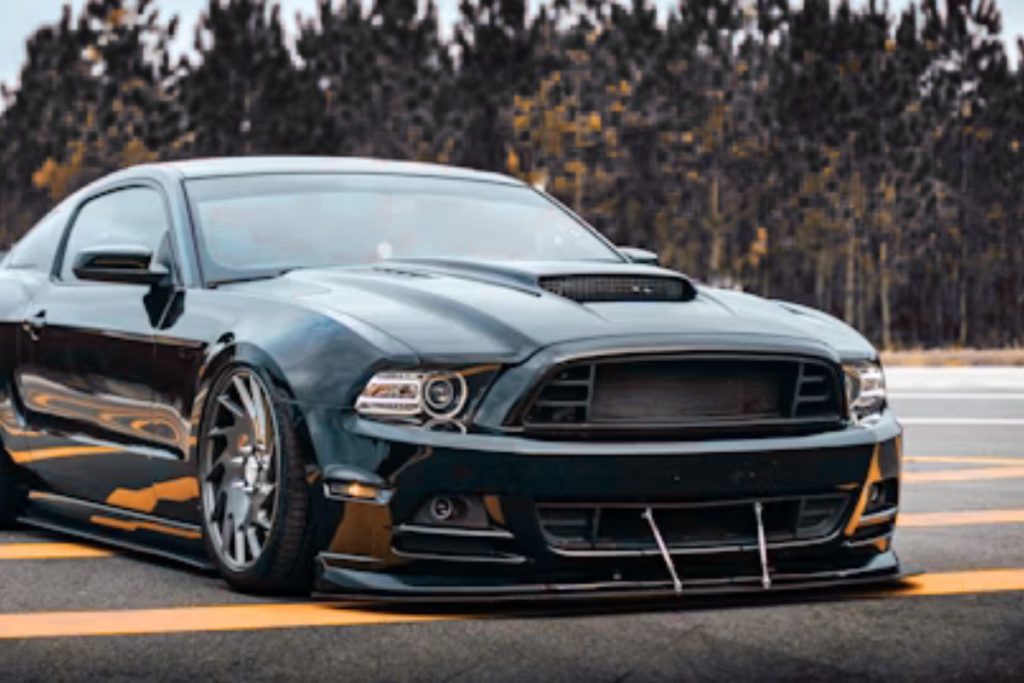
A comprehensive auto protection policy ensures that expenses are covered for a wide range of incidents, not just collisions. In the paragraphs below, we explain the key elements of car insurance benefits and coverage, and show how you can tailor a protection plan to fit your budget.
Why Vehicle Car Insurance Protection Plans Matter?
Every state (and in many cases, all drivers) requires a minimum amount of auto insurance. Beyond legal compliance, having a robust vehicle insurance protection plan means peace of mind. Insurance companies handle the repair costs, medical bills, and legal fees that could otherwise drain your savings.
In 2025, rising repair costs and more frequent accidents have driven premiums higher, making insurance coverage even more important. According to an industry report, the average driver now pays about $2,189 per year for auto insurance – a nearly 19% jump from the prior year.
Key reasons to invest in car insurance include:
-
Financial Security: Cover expensive repairs and medical costs after an accident. Without insurance, even minor collisions can result in huge bills.
-
Liability Coverage: Protect yourself from lawsuits. If you’re at fault in an accident, liability insurance (often called third-party coverage) pays the other party’s damages, medical bills, and lost wages.
-
Asset Protection: If your vehicle is financed or leased, lenders often require comprehensive coverage. That way, if your car is totaled or stolen, the insurance payout covers the remaining loan amount.
-
Peace of Mind: Knowing that you have reliable car insurance means you can drive without constant worry. You won’t have to handle the aftermath of theft or damage alone.
Financial data show why this is vital: factors like more traffic violations and natural disasters have pushed insurance rates up. In short, today’s drivers need more than just bare-minimum coverage – they need a full car insurance protection plan tailored to their needs.
Types of Auto Insurance Coverage?
A solid insurance plan bundles several coverage types. Each part protects you in a different scenario. Common components of a full protection car insurance plan include:
-
Liability Insurance (Third-Party Insurance): Mandatory in most states, this covers damage you cause to others. It pays for the other person’s vehicle repairs, medical expenses, and lost income up to policy limits. If you only carry liability (third-party) insurance, you are protected from lawsuits but have no coverage for your own car or injuries.
-
Collision Coverage: Pays for repairs to your car if it collides with another vehicle or object, regardless of fault. For example, if you hit a tree or are rear-ended, collision coverage handles your repair bills.
-
Comprehensive Coverage: This protects against “other than collision” events. It covers theft, vandalism, fire, floods, falling objects (like a tree branch), animal strikes (hitting a deer), and even windshield damage. A comprehensive auto protection policy means you won’t pay out-of-pocket if your parked car is stolen or damaged by a storm. As Investopedia notes, “Comprehensive insurance protects you financially from theft, natural disasters, and weather-related damage.”
-
Personal Injury Protection (PIP): Available in many no-fault states, PIP covers your medical expenses and lost wages after an accident, no matter who was at fault. Unlike liability coverage (which only pays others), PIP pays for injuries to you and your passengers up to a set limit. This can include hospital bills, rehabilitation, childcare, and even funeral costs. Learn more about PIP in the FAQs section below.
-
Uninsured/Underinsured Motorist Coverage: If you get into an accident with a driver who has no insurance (or not enough insurance), this coverage steps in. It pays for your medical expenses and car repairs when the other driver can’t.
-
Additional Benefits: Many plans offer add-ons like rental car reimbursement, roadside assistance, or gap insurance (which covers the difference between your car’s value and loan balance if totaled). You might not need all of these, but they are worth considering for a full protection insurance plan.
Each of these coverages adds layers of protection. When shopping for vehicle insurance protection plans, make sure to understand what each part covers. The infographic below illustrates the main coverage types in U.S. auto insurance:
Compare Car Insurance Quotes Online?
One of the smartest ways to get the right protection is to compare car insurance quotes online. Shopping around can save you hundreds of dollars.
The LexisNexis trends report found that more policyholders are actively shopping for better rates, and nearly half of all policies were reviewed for an alternative quote.s As insurers face shifting risks, quoting tools on insurance websites allow you to see various options quickly.
When comparing quotes, keep these tips in mind:
-
Use Multiple Sites: Check major insurers and quote aggregators (like The Zebra’s trends report suggests). Each company weighs factors differently, so one may offer much lower premiums.
-
Compare Same Coverage Levels: Make sure each quote has similar coverage limits and deductibles. A “low price” quote may have higher deductibles or exclude certain protections.
-
Look for Affordable Vehicle Insurance: Focus on quotes that balance cost with coverage. Affordable plans often require trade-offs, like a higher deductible or fewer extras. Decide what you need most (e.g., theft protection vs. cosmetic repairs).
-
Reliable Car Insurance Companies: Price is important, but also consider an insurer’s reputation. Reliable companies with good customer service and strong financial ratings (e.g., AAA, Geico, or State Farm) ensure smooth claim handling. Reading customer reviews and ratings can guide you to a company that won’t leave you stranded after a crash.
-
Ask about Discounts: When you apply, check for car insurance discounts and savings. For example, bundling auto with home insurance, maintaining a good driving record, or having safety features in your car can all lower your premium.
By using online quote tools and contacting agents, you can pinpoint the best auto insurance coverage for your needs. Many drivers find that switching companies or adjusting their coverage eliminates wasted cost while keeping essential protection. Remember, the goal is to get car insurance at a price that fits your budget.
Getting the Most Benefits from Your Policy?
Once you have insurance, you want to maximize its benefits. A good protection plan not only covers accidents but also rewards safety. Here are ways to get the most out of your policy:
-
Drive Safely for Discounts: Safe drivers often pay less. Insurers offer cheap car insurance for safe drivers through telematics programs or good-driver discounts. For instance, usage-based programs (like Progressive’s Snapshot or State Farm’s Drive Safe & Save) monitor driving habits. As one industry source notes, “Telematics… allows insurers to tailor premiums to individual driving habits, and safe drivers benefit from reduced premiums”. If you maintain good habits (smooth braking, obeying speed limits), you can earn significant savings.
-
Maintain a Good Credit Score: In many states, insurers use credit-based insurance scores. A higher score can mean lower premiums. Paying bills on time and reducing debt can help your credit.
-
Raise Your Deductible: Choosing a higher deductible (the amount you pay out-of-pocket before insurance kicks in) can significantly lower your premium. Just ensure you can cover that deductible in an emergency.
-
Take Advantage of Discounts: Common discounts include multi-car (insuring multiple vehicles with the same company), multi-policy (bundling auto and home), good student (for young drivers with good grades), military, safety features (anti-lock brakes, airbags), and loyalty discounts for staying with one insurer. Always ask your agent which discounts apply to you.
-
Review Annually: Your driving record, location, and credit can change. Shop around once a year. Even if rates are generally rising (as they have been), you might find a better deal. If costs escalate, consider adjusting coverage amounts or switching insurers.
In summary, insurance discounts and savings strategies make protection more affordable. By actively managing your policy and maintaining a clean record, you get reliable coverage without overpaying.
Special Coverage Considerations?
Protecting New Cars?
If you just bought a new car, you likely owe more on it than it’s worth today. For new vehicles, consider these extra protections:
-
Gap Insurance (Guaranteed Asset Protection): If your financed car is totaled, GAP insurance covers the difference between the car’s depreciated value and what you still owe on the loan. This ensures you don’t have to pay the deficit out of pocket.
-
Extended Warranty or Protection Plan: Some manufacturers and insurers offer auto protection plans (also called extended warranties) that cover major repairs beyond the factory warranty period. While not traditional insurance, these service contracts can save money on expensive parts.
-
Comprehensive Coverage: Lenders almost always require comprehensive insurance on new cars, since it protects their collateral. It covers theft, natural disasters, and other non-accident losses. Without it, a single incident like a hailstorm could leave you with a totaled car and no payout.
In short, for new car owners, an auto protection plan often means combining full auto coverage with gap insurance. This ensures that your investment is fully covered from the moment you drive off the lot.
Personal Injury Protection (PIP) Insurance Explained?
Personal Injury Protection, or PIP, is a special coverage that protects you and your passengers. It is available in many states and required in some no-fault states. Here’s what PIP does:
-
Covers Medical Bills and More: PIP pays for medical treatment, rehabilitation, lost income, and even childcare or funeral costs if you or your passengers are hurt in a car accident. It kicks in regardless of who caused the crash. This means even if you hit a parked car, your injuries are still covered.
-
No-Fault Coverage: In no-fault states, each driver’s PIP covers their own injuries, so you aren’t waiting for fault determinations. You simply file under your policy.
-
Mandatory in Some States: As Investopedia notes, PIP insurance is mandatory in 15 states (such as Florida, New York, and others) and optional in others. If required by your state, you must carry at least the minimum PIP limits (often $10,000 or more).
-
Complement to Liability: Remember that PIP is not a substitute for liability insurance. Liability covers the other party’s injuries when you are at fault, while PIP covers yours. A typical policy might have both types: liability for third parties and PIP for you and your passengers.
Example: Suppose you live in a state with PIP. If an accident leaves you with $8,000 in medical bills, PIP can cover those bills up to your policy limit, even if the other driver was uninsured. Any costs above that limit might be covered by your health insurance or brought out-of-pocket. Without PIP, your regular liability policy would not pay your own medical bills.
Third-Party Insurance (Liability)?
Third-party car insurance, often simply called liability insurance, is the legal minimum in most places. It protects other people, not you or your car. Here’s how it works:
-
What It Covers: If you cause an accident, third-party liability pays for the other driver’s vehicle repairs, medical bills, and lost wages, up to your policy limits. For example, if you rear-end someone and their bumper needs $3,000 in repairs plus $2,000 in medical bills, your liability insurance handles those costs.
-
Your Responsibility Beyond Limits: Typically, you choose the liability limits (e.g., $50,000 per injury, $100,000 total, $50,000 property damage). If damages exceed your limits, you could be responsible for the extra amount out of pocket.
-
Why It’s Called “Third-Party”: Think of it this way – you are the first party, your insurer is the second party, and the person you hit is the third party. Third-party insurance kicks in on behalf of the third party.
In our context, carrying third-party coverage is part of a full protection plan. A balanced plan has enough liability coverage to meet legal requirements and protect your assets. Some drivers might opt for higher-than-minimum limits to be safe.
Benefits and Features of a Good Policy?
When choosing a car insurance plan, focus on the benefits and coverage it provides. A full protection car insurance plan offers these key advantages:
-
Comprehensive Financial Coverage: As noted, comprehensive coverage pays for theft and non-collision damage. This means if a falling branch crushes your roof or someone breaks in and steals parts, you’re protected.
-
Collision Benefits: Collision coverage ensures that repair bills after an accident don’t leave you bankrupt. It covers crash damages to your own vehicle, which liability alone wouldn’t handle.
-
Peace of Mind with PIP and Medical Benefits: PIP or MedPay (medical payments) cover your healthcare costs after a crash. This saves you from having to tap personal health insurance or savings when injuries occur. As one source explains, “Personal Injury Protection (PIP) insurance covers medical expenses for you and your passengers, regardless of who caused the car accident.”
-
Uninsured Motorist Protection: If an uninsured or hit-and-run driver injures you, uninsured motorist coverage steps in. This avoids a nightmare scenario of pursuing an at-fault driver who has no insurance.
-
Additional Services: Many insurers throw in extras like 24/7 roadside assistance, rental car reimbursement, or accident forgiveness. These benefits don’t directly save money, but they add convenience and value to your plan.
-
Legal Compliance: By meeting state requirements (e.g., liability minimums, PIP minimums), you avoid fines and penalties. Fully compliant insurance means you can legally drive and handle minor infractions easily (like paying a small fine if you forget proof of insurance).
In short, a well-constructed insurance policy is more than a regulatory checkbox. It becomes a protective plan for new and used cars alike, covering most scenarios that could otherwise lead to financial disaster.
How to Find Affordable Vehicle Insurance?
Protecting your vehicle doesn’t have to break the bank. Here are strategies to keep insurance affordable while maintaining protection:
-
Shop Around Annually: As noted, policy shopping is at record highs. Prices fluctuate; what was cheapest last year might not be today. Use online tools or speak to multiple agents each year to refresh your quotes.
-
Bundle Policies: Combining auto with home or renter’s insurance often yields a multi-policy discount. Even bundling multiple cars under one policy can lower per-car rates.
-
Increase Deductibles: If you can handle a higher deductible in case of a claim (for example, $1,000 instead of $500), you could reduce your annual premium. Just be sure you have the deductible amount saved in an emergency fund.
-
Maintain a Clean Driving Record: Traffic tickets, DUIs, and accidents raise rates significantly. Adhering to traffic laws and driving defensively can earn you safe-driver status.
-
Take Advantage of Discounts: Beyond safe-driving programs, ask about all available discounts – good student, defensive driving courses, military service, and even loyalty discounts for staying with the same company.
-
Adjust Your Coverage as Needed: If your car is older and paid off, you might skip collision and comprehensive coverage to save money (you’d only get the current value back anyway). This is a personal choice; sometimes, even an old car is worth insuring if your risk is high.
By combining these tactics – especially comparing quotes online and asking for discounts you can often cut your premium by 10–30% without sacrificing key protections. Always balance affordability with adequate coverage limits; the cheapest policy isn’t valuable if it leaves you underinsured.
FAQs about Car Insurance Protection?
Q: What is “motor vehicle insurance coverage”, and how is it different from regular car insurance?
A: The term motor vehicle insurance coverage generally means the same thing as car insurance; it covers cars, trucks, and other road vehicles. There’s no practical difference; it’s just a broader term.
When you see this phrase, think of it as your auto insurance policy, which may include liability, collision, comprehensive, and other coverages.
Q: How do I compare car insurance quotes online effectively?
A: Gather quotes from at least three sources: use online comparison tools or visit insurer websites directly. Make sure each quote has the same coverage levels (e.g., liability limits, comprehensive/collision deductibles).
Use clear anchor text, such as “compare car insurance quotes online”, to bookmark your research. Check the actual coverage details – the lowest price might have very high deductibles or excluded protections.
Q: What is the benefit of the auto insurance coverage plan?
A: “Best auto insurance ” means a policy that offers the right mix of protections for your situation (comprehensive, collision, liability, etc.).
The benefit is that you’re fully covered where it matters most. For instance, comprehensive coverage protects you against theft and weather events, while PIP covers medical costs. A top-tier coverage plan gives you peace of mind knowing most risks are insured.
Q: Are there special plans like an “auto protection plan for new cars”?
A: Yes. New cars often come with special considerations. Lenders usually require both collision and comprehensive coverage, and you should consider GAP insurance. Some insurers offer extra plans or extensions (like mechanical breakdown insurance) to protect new vehicles beyond the standard coverage. These protect the investment in your new car by covering costly repairs or loan differences.
Q: What discounts can I expect on my car insurance?
A: Insurers offer car insurance discounts for various reasons: safe driving records, completing a defensive driving course, having good student grades, installing anti-theft devices, bundling policies, paying the premium in full, and more. Usage-based programs (telemetrics) give personalized discounts to drivers who demonstrate safe habits. Always ask your agent about discounts – they vary by state and company.
Q: Do I need Personal Injury Protection (PIP) insurance?
A: It depends on your state. PIP is required in some states (like Florida and New York) and optional in others. PIP is very useful for covering your medical expenses after an accident, no matter who is at fault.t If you live in a no-fault state or want that extra medical coverage, PIP is worth getting. Otherwise, you may rely on health insurance for your accident-related medical bills (but PIP can still help with lost wages and deductibles).
Q: What exactly is “Third-party car insurance,” and what does it protect?
A: Third-party car insurance is another name for liability insurance. It protects others if you cause an accident. For example, if you rear-end someone and cause $5,000 in damage and injuries to the other driver, third-party insurance pays that (up to your limits). It does not cover damage to your own car or injuries to you – for that, you need collision and personal coverage.
Q: Can I get affordable car insurance for being a safe driver?
A: Yes. Many companies offer lower rates or special programs for good drivers. Telematics or usage-based plans (e.g., Progressive Snapshot, State Farm Drive Safe) can make your safe driving habits pay off in real savings. Additionally, insurers often give a “good driver discount” for being accident-free or ticket-free for a set period. Combine that with shopping around, and you can find cheap car insurance rates tailored for safe drivers.
Q: What does “full protection car insurance plan” mean?
A: It generally means having both liability and full coverage (collision + comprehensive) at solid limits. “Full protection” implies you’re not just meeting minimum requirements; you have broad coverage that protects you in most scenarios. This often includes higher liability limits, comprehensive, collision, PIP/med pay, and uninsured motorist coverage – essentially a zero-gap plan.
Conclusion?
Protecting your vehicle with the right car insurance protection plan is crucial in 2025. With rising costs and evolving risks, having comprehensive coverage is more important than ever. By understanding the different coverage types – from liability and collision to comprehensive and PIP – you can build a full protection car plan tailored to your needs. Compare quotes online, choose a reliable car insurance company, and leverage discounts for safe driving to keep your plan affordable.
Ultimately, the goal is clear: Protect your vehicle with car insurance protection that covers accidents, theft, and other unforeseen events. Use the tips above, explore vehicle insurance protection plans, and invest in coverage that gives you confidence on the road. Share this guide with friends or colleagues who want to save on auto insurance, and feel free to leave a comment with your questions or experiences below.
