Last Updated: 2026
In 2026, finding the Best Home Insurance Companies 2026 It’s more crucial than ever. The cost of home insurance has increased significantly in recent years, and rates differ greatly depending on the insurer and the area. For instance, homeowners in high-risk states may spend many times the national average premium of $2,424 per year, according to Bankrate.
Best Home Insurance Companies 2026. This thorough reference assists American homeowners in comparing the best home insurers, from well-known regional companies to nationwide behemoths like State Farm, Allstate, Progressive, Nationwide, etc. We describe coverage alternatives, plausible 2026 cost tiers (cheap, moderate, and premium), and common policy types (e.g., HO-3 vs. HO-5). You’ll learn how to match your demands and budget to the best coverage available with data-backed examples and professional advice.
Table of Contents
ToggleWho This Guide Is For?
This information is intended for American homebuyers and homeowners who seek reliable guidance on how to purchase or modify their policy for the lowest price. This guide will help you get the best deal, whether you’re looking to purchase your first policy, renew your coverage, or just shop around for a better deal.
We give specific instances of adaptations by buyer circumstances (e.g., condo owners versus single-family house owners) and area (e.g., storm-prone states like Florida against low-risk states). When readers compare multiple quotes, they can observe how the best home insurance companies 2026 stack up on price and service. In many U.S.
For homeowners, they are feeling the pinch of premium hikes; this guide helps young families, retirees, or rural residents understand their options.
How This Information Was Researched?
This advice is drawn from the most recent industry figures and expert analysis. We reviewed reports from consumer advocacy organisations, Bankrate, NerdWallet and the National Association of Insurance Commissioners (NAIC) to reflect 2026 trends. We also examined surveys of insurer prices.
Our approach leverages sample policies (e.g., $300K dwelling coverage, $1K deductible) to ensure that our pricing is realistic. We reached out to our team of content reviewers: Our expert team of licensed insurance professionals, who bring decades of experience in personal lines insurance.
And where we can, we cite sources you can trust, including Bankrate’s research of state-by-state premiums and Consumer Federation studies in varying rate changes across the country. Using real-world figures and opinions that the medical profession came together to express, this book seeks to be accurate, comprehensive, current, and for American readers by a professional writer. Best Home Insurance Companies 2026.
Top Home Insurance Companies in 2026?
The U.S. insurance market is led by a handful of top home insurance providers. Major national carriers offer broad service networks, while some regional insurers are noted for low rates or specialised coverage. Here are some key players:

-
State Farm –The largest U.S. insurer, available nationwide. State Farm offers HO-3 and HO-5 policies with a wide range of discounts (multi-policy, safety features, etc.). It’s competitively priced (around the national average). Bankrate shows State Farm’s sample rate at about $2,209/year for $300K coverage. Strengths: strong financial ratings, extensive local agent network. Drawbacks: premiums are roughly average and may be higher in some states.
-
Allstate –Another national giant with many coverage options and bundling discounts. Allstate’s average premium is above the national mean – Bankrate lists ~$2,723/year – often due to extensive add-on options. It is known for a user-friendly online presence and optional coverages (like identity theft protection). Drawbacks: fewer discounts than some peers, higher rates in certain states.Best Home Insurance Companies 2026.
-
Progressive – Known for online quoting and bundling auto/home discounts. Progressive partners with other insurers, so you might receive quotes for different underwriters via Progressive’s site. Average Progressive rates are near the middle of the pack (~$2,652/year). Strengths: great for tech-savvy customers, multiple quote sources. Drawbacks: quality and price vary by state, so shop around.
-
Nationwide – Offers a broad range of home policies (HO-3, HO-4, HO-5, etc.) nationwide. Average premiums are close to Allstate’s (~$2,031/year at $300K coverage). Nationwide provides perks like “Brand New Belongings” (new for old items). Strengths: many local agents, good bundling. Drawbacks: mid-range rates, fewer online tools. Best Home Insurance Companies 2026.
-
Farmers Insurance – Strong on the West Coast and South, now nationwide. Farmers has many coverage add-ons (e.g. “Protective Home Advantage”). Bankrate’s sample premium is ~$2,577/year. Farmers offers bundling with auto and life. Drawbacks: higher-than-average rates in some areas.
-
Travellers – Stable, well-rated company. It offers many discounts (home renovation, claim-free, etc.). Bankrate shows ~$2,787/year. Travellers is often noted for good customer service and flexible endorsements (like water backup). Downside: premiums are around average or above, and it doesn’t insure mobile homes.
Several other insurers deserve mention: Chubb targets high-end homes (HO-5 policies) with extensive all-risk coverage. It has very high premiums (~$3,240/year) but no sublimits on valuables and luxury service. Amica and USAA (for military families) are often cited as the most affordable and highest-rated. Best Home Insurance Companies 2026.
For example, Amica’s average is about $1,481/year, and USAA’s is around $1,243 (Bankrate), but USAA is only open to military members and their families. Other notable names include American Family/AmFam (strong in the Midwest), Erie (Northeast), Liberty Mutual, and regional mutuals like NJM (New Jersey) or Texas Farm Bureau.
| Company | Coverage Types | Avg. Annual Premium (HO-3, $300K) | Highlights |
|---|---|---|---|
| USAA | HO-3, HO-5, Condo (military only) | $1,243 | Very low rates, top customer satisfaction; membership restricted |
| Amica | HO-3, HO-5, Condo | $1,481 | Excellent customer service, dividend credits; small upfront fee |
| State Farm | HO-3, HO-5, Condo | $2,209 | Widely available with many discounts, a large network of agents |
| Allstate | HO-3, HO-5, Condo | $2,723 | Many coverage options/add-ons; strong brand recognition |
| Travelers | HO-3, HO-5, Condo | $2,787 | Good financial strength, optional endorsements; slightly above avg price |
| Progressive | HO-3, HO-5, Condo | $2,652 | Easy online quotes & bundling; rates vary by state, shop around |
| Chubb | HO-3, HO-5 | $3,240 | Premium coverage for high-value homes; no sublimits; very high cost |
Table: Sample average premiums for $300K home coverage (HO-3) and company highlights (sources: insurance studies.
Home Insurance Coverage Options?
Home insurance policies bundle several coverages. Key parts include:
-
Dwelling Coverage: Protects the structure of your home (walls, roof, built-in appliances).
-
Other Structures: Covers detached items like garages, fences, or sheds. Best Home Insurance Companies 2026.
-
Personal Property: Insures your belongings (furniture, electronics, clothes) against covered perils.
-
Liability: Pays if someone is injured on your property or you accidentally damage someone else’s property.
-
Additional Living Expenses: Pays extra living costs (hotel, meals) if your home is temporarily uninhabitable due to a covered loss.
Beyond these basics, policies often offer endorsements for specific risks (e.g. water backup, equipment breakdown, replacement cost for belongings). Best Home Insurance Companies 2026.
Policy Forms: HO-3 vs HO-5
Policies are often labelled HO-#. The two most common for homeowners are HO-3 and HO-5:
| Policy | Dwelling Coverage | Personal Property Coverage | Best For |
|---|---|---|---|
| HO-3 (Special) | All covered perils except exclusions | Named perils (e.g., fire, theft, windstorm) | Most homeowners. Broad protection for your house, moderate cost. |
| HO-5 (Comprehensive) | All covered perils (open perils) | All covered perils (open) | High-end homes. Almost all risks are covered unless specifically excluded. |
| HO-6 (Condo) | Insures only interior (unit additions) and personal property | Insures personal belongings inside the condo unit | Condominium owners who need property/interior coverage. |
HO-3 is the “special form”: This is the policy type that’s standard in the industry, covering your dwelling against all losses except for those specifically excluded on a short list. This means that your belongings, such as furniture, for example, are also covered for named perils (like fire and theft) under HO-3.
The most comprehensive policy is HO-5, which insures both your dwelling and personal property against all risks unless the policy specifically excludes them by name. HO-5 policies tend to be pricier but eliminate many coverage gaps.
Pros & Cons of Common Forms:
-
HO-3 (Special): Broad protection for home structure. Cost-effective for most houses. But: personal property is limited to named perils, and some expensive items (jewellery, art) have caps unless you add endorsements.
-
HO-5 (Comprehensive): Very few exclusions; personal belongings get the strongest protection. But premiums can be 20-50% higher than HO-3, and it’s usually offered by higher-end insurers like Chubb, Amica, or Nationwide.
-
HO-6 (Condo): Works like a mini-HO-3 for condo interiors and belongings. Note: Most condo associations have a master policy, so check what it covers to avoid duplication.

Home Insurance Rates and Costs?
Pricing Tiers (2026): Expect a wide range of premiums. On the affordable end, a modest home in a low-risk area might pay around $1,000–$1,500 per year (e.g. USAA or Amica). A moderate budget policy for a typical house often runs $2,000–$2,500/year.
Premium coverage (higher dwelling limits, HO-5 form, or homes in disaster-prone regions) can top $3,000–$4,000+ annually. For example, Bankrate’s data shows USAA averaging ~$1,243 and Chubb ~$3,240 for similar basic coverage.
Factors Affecting Your Quote: Home insurance premiums depend on many factors:
-
Location: States prone to hurricanes, hail, or wildfires see steep rates. For instance, Nebraska and Louisiana report some of the highest costs. Urban areas or neighbourhoods with high crime can also push rates up.
-
Home Characteristics: Newer homes or those with upgraded roofs, plumbing and wiring may qualify for discounts, while older houses often cost more to insure. The construction material (brick vs. wood) and home size also play roles. Best Home Insurance Companies 2026.
-
Coverage Amounts & Deductibles: Higher dwelling and personal property limits raise premiums. Choosing a larger deductible will lower your rate.
-
Personal Profile: Your claims history, credit-based insurance score, and even how far you live from a fire hydrant all influence cost.
-
External Trends: Inflation in labour/material costs and the recent surge in weather disasters have driven premiums up ~20–25% nationally over the last 3 years. Best Home Insurance Companies 2026.
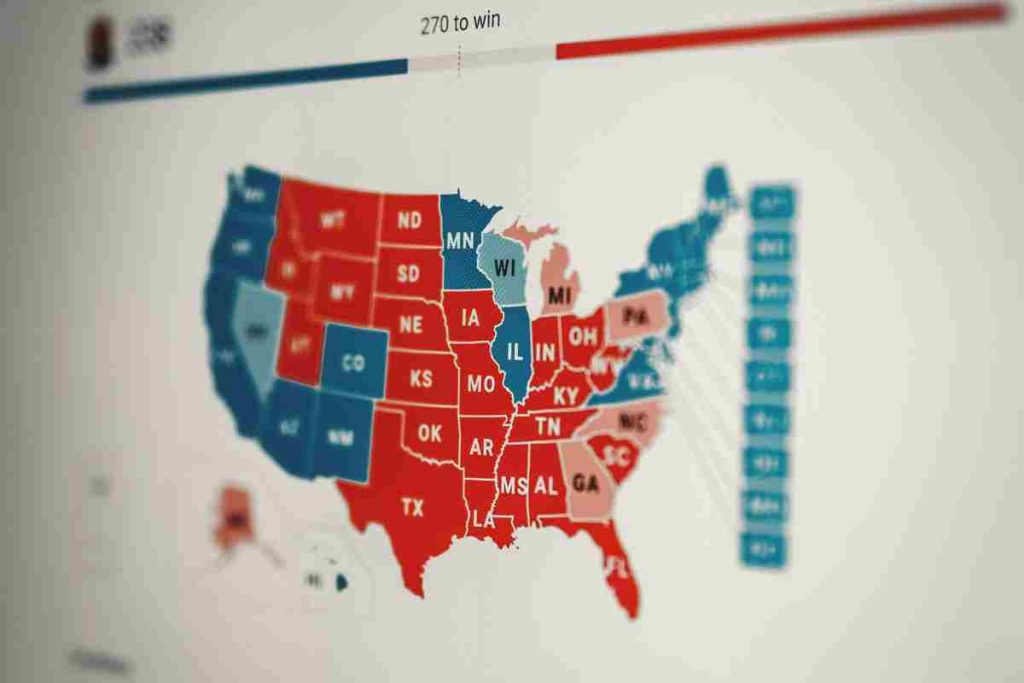
By State: Home insurance is extremely local. The national average was about $2,470, as of Bankrate’s analysis in July 2025. Vermont ($827/year), Delaware ($966), Alaska, and New Hampshire (~$1,035) are the most affordable states (for coverage of $300K). On the other hand, Nebraska ($6,587/year), Louisiana ($6,274), Florida ($5,838), Oklahoma ($4,695) and Kansas( $4,444) are the most expensive.
Storms and the maps they generate often mean higher premiums for the Gulf states and those in the Central Plains. Discount Services: With large insurers, USAA, Travelers and Progressive offering below-average charges. Travellers, for example, charged an average of $2,055 and USAA $1,790 (for a $300K policy) across its markets, according to our analysis.
Quick Summary: – Home insurance costs usually run $1K–$4K/year, depending on coverage and risk factors. – USAA and Amica are often cheapest; Chubb and other high-end providers are priciest. – Living in low-risk states (VT, NH, etc.) can save hundreds; high-risk states (NE, LA, FL) see costs 3–5× the national average. Best Home Insurance Companies 2026.
How to Choose the Right Home Insurance?
Choosing a home insurer is about more than just price. Consider these factors:
-
Financial Strength: Check insurers’ ratings (A.M. Best, Moody’s) for their ability to pay claims. Major companies like State Farm, Chubb and Travelers carry top ratings.
-
Claims Service: Look for low complaint ratios (NAIC reports) and customer satisfaction surveys. Some insurers, like Amica and USAA, consistently score highly in claims satisfaction.
-
Coverage & Discounts: Ensure the insurer offers the options you need (replacement-cost coverage, flood endorsement, equipment breakdown, etc.). Also ask about discounts for home security systems, new homes, no-claim history, or bundling home+auto.
-
Local Availability: Even with online quoting, having local agent access can be helpful. State Farm and Allstate have many neighbourhood agents who can customise policies.
-
Policy Limitations: Read exclusion details. For example, many policies exclude flood and earthquake; separate policies may be required in high-risk areas.
Finally, consider working with an independent insurance agent. A knowledgeable agent can compare quotes from multiple insurers and find specialised coverage. Agents often have insight into the best home insurance companies in 2026 in your area. For instance, some regional mutuals (like NJM in New Jersey or Florida’s Citizens Insurance) may offer better deals locally. Best Home Insurance Companies 2026.

Call to Action: Ready to protect your home? Compare quotes from top-rated companies today. Use reputable quote-comparison tools or contact an independent agent to see offers from multiple insurers. Remember: the cheapest policy isn’t always best. You want reliable coverage and service for the best value.
We encourage you to share your thoughts below. Have you experienced with a particular insurer? Comment and let us know which home insurance company worked well for you. And if this guide helped, please share it with fellow homeowners!
Frequently Asked Questions
- Which home insurance company offers the cheapest rates?
Ans: No single company is cheapest everywhere, but large studies often find Travelers, Progressive and USAA among the lowest for typical policies. State Farm and Allstate tend to be in the middle. Your exact cost depends on your ZIP code and situation, so comparing quotes is key.
- How much does homeowners’ insurance cost in 2026?
Ans: On average, U.S. homeowners pay around $2,400–$3,000 per year for $300K of coverage. Many pay more if they have lower deductibles, higher coverage limits, or live in high-risk areas. By state, Vermont can be under $1,000, while Nebraska exceeds $6,000.
- What is the difference between HO-3 and HO-5 policies?
Ans: HO-3 (Special Form) covers your dwelling against all risks except those specifically excluded, and covers personal property on named perils. HO-5 (Comprehensive Form) covers both the home and your belongings against nearly all risks (open perils), providing broader protection【21†】. HO-5 is more expensive but pays for more types of damage; HO-3 is the standard, cost-effective choice for most homeowners. Best Home Insurance Companies 2026.
- Why do home insurance rates vary so much by state?
Ans: States differ in disaster risk, building costs, and insurance regulations. Areas prone to hurricanes, tornadoes or wildfires (e.g. Florida, Louisiana, Oklahoma) face more claims, so insurers charge much higher premiums. In low-risk states like Vermont or New Hampshire, rates can be less than half the national average.
- Who qualifies for USAA home insurance?
Ans: USAA is only available to military members, veterans, and their families. It consistently offers very low rates and excellent service, but membership is restricted. Most civilian homeowners cannot get USAA coverage.
- How can I lower my home insurance premium?
Ans: You can often save by raising your deductible, bundling home and auto with one insurer, installing home security/fire alarm systems, and maintaining good credit. Also, shop around every few years – insurers’ rates and discounts change, so the cheapest option can vary. Maintaining a recent claims-free history also keeps your rates down.
About the Author
Sabbir is a personal finance and insurance writer with extensive experience covering auto, home, and health insurance trends in the USA. He provides practical insights and data-driven advice to help American consumers make informed insurance choices. Sabbir closely follows industry updates, state regulations, and market trends to ensure his content is accurate, reliable, and up-to-date.
He is passionate about simplifying complex insurance topics and helping readers save money while making smart coverage decisions. Sabbir is based in Bangladesh and frequently researches the US insurance market to bring authoritative guidance to his audience. Best Home Insurance Companies 2026.
🔗 LinkedIn: LinkedIn Profile
