Finding Affordable Car Insurance for Commuters in North Carolina is not just about finding the lowest premium. Commuters tend to spend more time on the road, drive through heavily congested corridors and rack up higher mileage than weekend travelers, all of which is known to elevate the risk of having accidents as well as insurance costs.
In those scenarios, your insurance company would either rate it as “commuter” (which increases the premium) or might classify it as “pleasure,” and the rates are based on that type of usage. Suri explains that commuter use applies to cars used for driving back and forth from work or school, and tends to raise rates since vehicles used for commuting drive in more traffic-dense conditions and for more miles. Pleasure‑use vehicles are cheaper to insure as they operate outside of rush‑hour congestion, and without the mileage longevity. Affordable Car Insurance for Commuters in North Carolina
Here, we explore how to get cheap commuter car insurance in 2025 for those living in the state of North Carolina.
We will explain what you can expect to pay and how you can save with a policy through a driver-friendly company in North Carolina.\n\n We’ll deconstruct average premiums based on ZIP codes, delve into the world of commuter vs. pleasure use classifications, explore why insurance costs vary by city and motorist profile, offer new strategies like usage-based policies that help lower your bill, and more.
On the way, we’ll highlight leading insurers, answer some frequently asked questions and offer tips for navigating the state’s sometimes confusing insurance world. Whether you drive your car on Interstate 40 to work each day or occasionally hit the road for business, this guide can help you find the most affordable commuter car insurance in the state. Affordable Car Insurance for Commuters in North Carolina.
Commuter vs. Pleasure Car Insurance: Understanding the Difference?
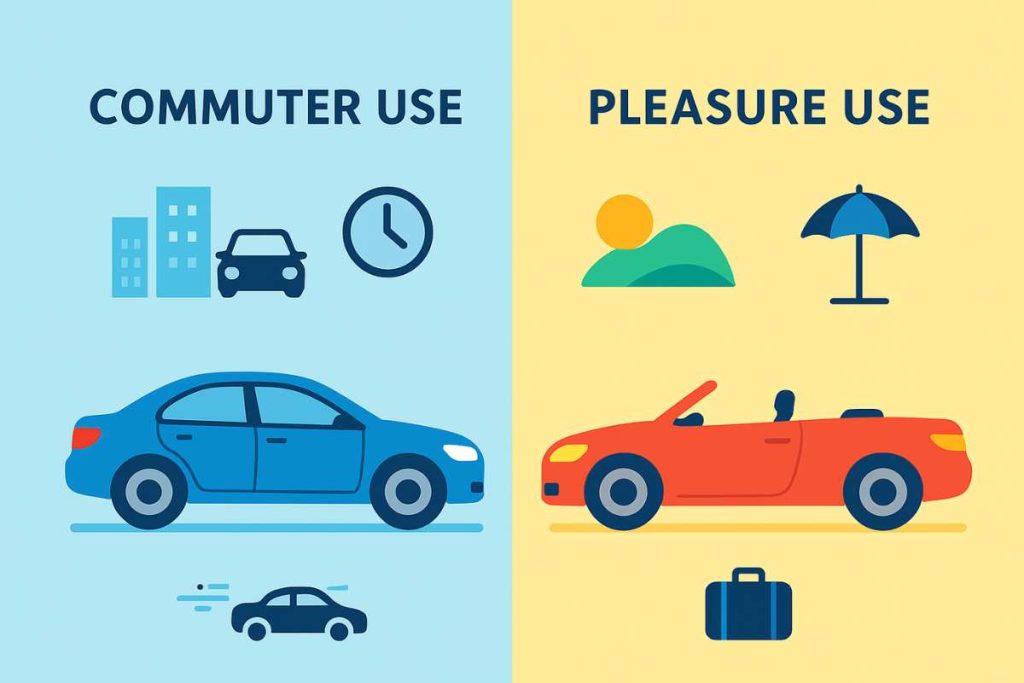
Even before we get into rates and discounts, it is important to understand how insurers classify your automobile usage. A car used mainly for driving to and from work or school is called a commuter vehicle. The commuter vehicle “tends to be a vehicle driven for pleasure or errands and the policyholder’s work; it does not go out on frequent long-distance trips or involve transporting equipment or goods,” Insurify added. Pleasure‑use vehicles,
on the other hand, are driven only occasionally, at weekends or for errands/pleasure, and they have less exposure. According to , pleasure‑use insurance tends to be cheaper since commuter cars are being driven in more traffic and adverse weather. PLAINVILLE PRESS (Conn.)Affordable Car Insurance for Commuters in North Carolina
Factors That Determine Usage Classification?
Insurers look at mileage and driving frequency to decide whether your car is for commuter or pleasure use. Key considerations include
-
Daily or weekly commute: If you drive to work or school every day or at least several times per week, your vehicle will be treated as a commuter car.Affordable Car Insurance for Commuters in North Carolina
-
Number of cars on your policy: Households with one car or one car per driver are more likely to have a commuter vehicle because the car is necessary for daily transportation.
-
Annual mileage: Cars with high annual mileage (often above 12,000 miles) are labelled commuter vehicles, while low‑mileage cars may qualify as pleasure‑use vehicles.
-
Primary driver usage: When you alternate between multiple cars, insurers classify each vehicle based on its primary use; the car used most for commuting is considered the commuter car.
Why Commuter Cars Cost More to Insure?

Daily city cars face heavy traffic, automobile rush‑hour, and longer distances, meaning they’re very prone to collision risks. Commuter vehicles drive in busier areas and at busier times than pleasure vehicles, according to the Affordable Car Insurance for Commuters in North Carolina report. This increased exposure results in a higher likelihood of accidents and more frequent claims , which equate to higher premiums. Recreational vehicles, used less frequently and sometimes on off-hours, represent lower risk; hence the discount. The discrepancy won’t always be large for every driver, but knowing how usage class impacts price can allow you to customise coverage and possibly find
Affordable Car Insurance for Commuters in North Carolina can be achieved by adjusting your driving habits or designating a secondary vehicle for pleasure use.
The 2025 Car Insurance Landscape in North Carolina?
North Carolina is a middle‑cost state for car insurance, but rates range widely based on coverage level, drivers’ location and profile, and the company they buy from. According to Affordable Car Insurance for Commuters in North Carolina’s 2025 profile data, full coverage costs an average of $1,264 per year ($105 per month) for a 40‑year‑old driver with good credit and no infractions; compared to minimum coverage, which costs $604 annually on average ($50 monthly.
That has North Carolina ranked 17th in the nation for full‑coverage affordability and 25th in the nation for minimum‑coverage comparison, and costs can vary by up to (from $516 per year up to $4,824) based on your driving profile, location and coverage level.
Variation by Company and City?
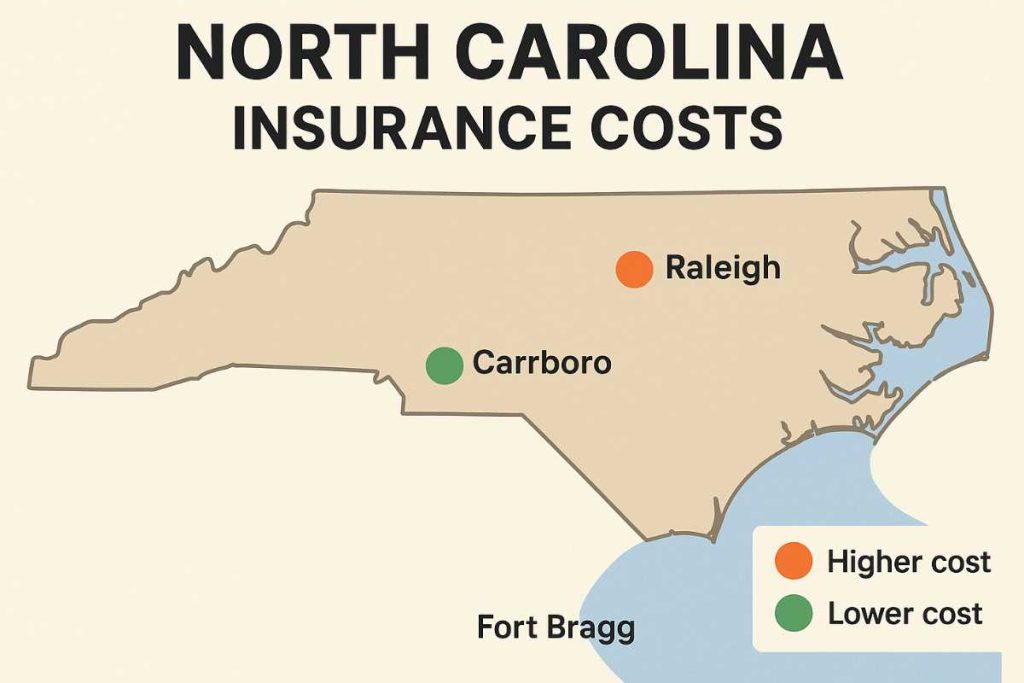
Insurance rates differ significantly among carriers. Money Geek lists State Farm as the most cost‑effective major provider in North Carolina, offering full coverage for about $56 per month, while National General charges $102 per month. Choosing the right insurer can save North Carolina drivers roughly $547 per year. Rates also vary by city; for example, premiums differ markedly between Carrboro and Fort Bragg. These disparities underscore why shoppers seeking Affordable Car Insurance for Commuters in North Carolina must compare quotes across companies and locations.
Regulatory and Environmental Factors?
Affordable Car Insurance for Commuters in North Carolina. North Carolina’s insurance marketplace is influenced by regulation and environment. State law requires uninsured/underinsured motorist coverage(Un/UIM); This is also a legal requirement under WI law. This increases cost but protects against those who are not insured.
There was about a $44 per year increase for drivers who have minimum limits. Effective July 2025, the minimum liability limit changes from 30/60/25 to 50/100/50. North Carolina is a pure contributory negligence state, which means you cannot recover any money if you are even 1% at fault. The inexperienced driver surcharge now runs for eight years.
Environmental influences are at play as well. Coastal storms mean more comprehensive claims. These are especially applicable risks for commuters driving in the state’s 20 coastal counties, so drivers should consider purchasing comprehensive coverage and even flood insurance if they commute near waterways.
Why Commuters Pay More: Factors Affecting Rates?
Beyond usage classification, several variables affect commuter car insurance premiums. Understanding these factors will help you make informed decisions and find affordable coverage for commuters. Affordable Car Insurance for Commuters in North Carolina
-
Mileage: Commuters typically drive more miles per day than pleasure drivers. High mileage increases the likelihood of accidents and claims, leading to higher premiums.
-
Traffic Density: Commuter routes often involve congested roads, highways and urban areas. Heavy traffic elevates collision risk and claims frequency.
-
Driving Record and Credit Score: Accidents and moving violations dramatically raise premiums. Money Geek notes that North Carolina drivers with accidents or poor credit pay significantly more than those with clean records. Maintaining a clean driving history and good credit is essential for cheap car insurance for North Carolina commuters.
-
Age and Experience: Young drivers and inexperienced commuters face higher rates due to a statistically greater risk of accidents. North Carolina’s longer inexperienced driver surcharge period amplifies this effect.
-
Vehicle Type and Usage: Driving a newer, more expensive vehicle usually costs more to insure. In contrast, older cars have lower premiums, with Affordable Car Insurance for Commuters in North Carolina reporting that owners of older vehicles pay about $91 per month for full coverage.
-
Coverage Levels and Deductibles: Choosing full coverage (which includes collision and comprehensive protection) costs more than minimum liability. Selecting a higher deductible can lower your monthly premium, but increases out‑of‑pocket costs after an accident.
-
Regional Risk Factors: Living or commuting in a high‑risk area with high crime or accident rates raises premiums. For instance, Fort Bragg’s higher rates reflect greater local risk. Coastal regions face hurricane risk.
By identifying these factors, commuters can adjust their coverage and driving behaviour to reduce costs and secure affordable commuter coverage. Affordable Car Insurance for Commuters in North Carolina
Smart Ways to Save on Commuter Car Insurance in North Carolina?
You can lower your premiums by applying cost‑saving strategies tailored to commuters. A1 Insurance, a North Carolina agency, suggests combining policies, adjusting deductibles and asking about local discounts to control your budget without sacrificing coverage. Building on these recommendations and other expert insights, here are practical tips to achieve affordable rates. Affordable Car Insurance for Commuters in North Carolina
1. Bundle Policies and Use Multi‑Policy Discounts
Bundling your auto insurance with homeowners or renters insurance is one of the most effective ways to reduce your premium. A1 Insurance explains that North Carolina drivers who own homes can save significantly by combining policies. Insurers often extend a multi‑policy discount of 10 %–25 %, providing both simplicity and savings. These multi‑policy discounts can help you secure Affordable Car Insurance for Commuters in North Carolina.
2. Raise Your Deductible But Budget Carefully
Increasing your deductible means you’ll pay more out of pocket if you file a claim, but your monthly premium will drop. A1 Insurance notes that raising the deductible can significantly lower your car insurance costs. For commuters who rarely file claims, a higher deductible may make sense. This strategy helps you edge closer to Affordable Car Insurance for Commuters in North Carolina.
3. Explore Low‑Mileage and Safe‑Driver Discounts
Many insurers offer discounts to drivers who log fewer miles annually, usually under 7,500 or 10,000 miles, and to those who maintain clean driving records. A1 Insurance highlights that discounts may be available for safe drivers and low‑mileage drivers. If you occasionally work from home or combine errands to reduce mileage, you could qualify for a low‑mileage discount. Taking advantage of these programs brings you closer to Affordable Car Insurance for Commuters in North Carolina.
4. Take Advantage of Usage‑Based Insurance Programs
Usage‑based insurance (UBI) programs, sometimes called telematics, track your driving habits through a mobile app or plug‑in device and adjust premiums accordingly. Drivers who accelerate smoothly, brake gently and avoid late‑night trips can earn discounts.
Although pay‑per‑mile programs are not currently available in North Carolina due to state regulation, telematics options such as Nationwide Smart Ride, Progressive Snapshot, and Liberty Mutual Right Track may still operate in the state (confirm availability with each insurer). Participating in a telematics program may help offset the higher costs of being classified as a commuter vehicle. Such programs are another avenue to Affordable Car Insurance for Commuters in North Carolina.
5. Maintain Good Credit and a Clean Driving Record
Credit scores are allowed in North Carolina for insurance pricing, and drivers with poor credit pay significantly more. Pay bills on time, reduce debt and review your credit report regularly to ensure accuracy. Additionally, maintain a spotless driving record; accidents and violations can increase your premiums for years. Completing a defensive‑driving course may qualify you for an extra discount, demonstrating your commitment to safe commuting. Keeping a strong financial and driving profile supports your journey to Affordable Car Insurance for Commuters in North Carolina.
6. Compare Quotes and Review Coverage Annually
The $56–$102 for full coverage we saw is all over the map by company. To make sure you’re never overpaying, get quotes from a minimum of three insurers each year. Affordable Car Insurance for Commuters in North Carolina. Plenty of insurers have tools to provide quotes directly online, or they work through independent agents.
When you compare policies, be sure to use the same coverage limits and deductibles for an apples‑to‑apples comparison. If your commute or how far you drive changes (for example, if you begin working from home, so you don’t have to drive as often), let your insurance carrier know to check whether you can lower your rate or move into a pleasure‑use category. A study from Money Geek says the average North Carolina driver could save approximately $547 per year by shopping around for the best insurer.
7. Opt for Vehicles That Are Cheaper to Insure
The type of vehicle you drive influences your premium. Older cars typically cost less to insure because they have lower replacement values and cheaper parts. Affordable Car Insurance for Commuters in North Carolina reports that North Carolina drivers with older cars pay roughly $91 per month for full coverage, compared with higher rates for new vehicles. Commuters may consider driving a reliable used car instead of a new, luxury vehicle to reduce insurance costs.
8. Leverage Employer or Membership Discounts
Some employers partner with insurance carriers to offer group or affinity discounts to employees. Similarly, membership organisations (e.g., alumni associations or professional groups) may provide discounts on auto policies. Ask your HR department or membership organisations if such benefits are available. These North Carolina commuter car insurance discounts can help reduce premiums further.
Pay‑Per‑Mile and Usage‑Based Insurance: Are They Right for North Carolina Commuters?
Affordable Car Insurance for Commuters in North Carolina. Pay‑per‑mile insurance bases your premium on the exact number of miles you drive each month, combining a fixed base rate with a per‑mile charge.
Money Geek describes pay‑per‑mile policies as ideal for low‑mileage drivers, noting that eligibility usually requires driving fewer than 10,000 miles annually. However, the same Money Geek article notes that pay‑per‑mile insurance is not available in North Carolina due to state‑specific regulations. If you were hoping to reduce your commuting costs through pay‑per‑mile insurance, you’ll need to look at alternative strategies.
Alternatives to Pay‑Per‑Mile Programs
Even though North Carolina commuters cannot access pay‑per‑mile coverage, they can still take advantage of low‑mileage discounts and usage‑based programs that track driving behaviour rather than miles. Many insurers offer telematics‑based discounts that monitor acceleration, braking, phone usage and time of day. Safe and consistent driving can yield up to 30 % off your premium, even if you commute daily.
For example, Nationwide’s Smart Ride program may be available in the state and rewards safe behaviours such as smooth acceleration and avoiding late‑night trips. Affordable Car Insurance for Commuters in North Carolina Progressive’s Snapshot tracks your driving via a plug‑in device or smartphone app and can reduce premiums by up to 30 %, though results vary based on data collected.
Liberty Mutual’s Right Track offers immediate enrollment discounts and additional savings for safe driving. Confirm each program’s availability in North Carolina and evaluate whether the savings outweigh the privacy trade‑offs of sharing driving data.
Who Should Consider Usage‑Based Insurance?
Usage‑based insurance works best for drivers who maintain steady, safe driving habits, drive mainly during daylight hours, avoid heavy traffic and keep mileage low (for example, carpoolers or hybrid workers). If you commute long distances every day and frequently drive at night or in heavy traffic, telematics programs may not offer substantial savings. But moderate commuters with safe driving habits can leverage usage‑based insurance for commuters in NC to reduce premiums.
Top Insurance Companies for Commuters in North Carolina (2025)
Selecting the right insurer is crucial when seeking affordable coverage for commuters. Below is a snapshot of leading carriers in the state, based on average full‑coverage premiums and perks for commuters. Always request quotes to reflect your specific driving profile, but these figures provide a starting point.
| Insurer Monthly | y Full‑Coverage Premium (avg.) | Key Features for Commuters |
|---|---|---|
| State Farm | $56 | Consistently competitive rates; offers good driver and multi‑policy discounts. The Drive Safe & Save telematics program may provide additional savings for safe commuters. Affordable Car Insurance for Commuters in North Carolina |
| Progressive | $61 | Known for strong online tools and the Snapshot telematics program, it offers a “Name Your Price” tool to customise coverage. |
| Geico | $86 | Provides accident‑free and good driver discounts; offers mechanical breakdown insurance for newer cars, and has strong customer satisfaction. Affordable Car Insurance for Commuters in North Carolina |
| Nationwide | $101 | Offers Smart Ride usage‑based program; strong multi‑policy discounts when bundling with homeowners or renters insurance. |
| National General | $102 | Specialises in high‑risk drivers but offers flexible payment plans and usage‑based discounts through the Dynamic Drive program. |
These figures show that there is no one‑size‑fits‑all solution. State Farm delivers the lowest average premiums, but commuters who prefer robust telematics programs might find Progressive or Nationwide more attractive. Always compare quotes and consider each carrier’s discounts and extras.
Full Coverage vs. Minimum Coverage: Choosing the Right Protection
Affordable Car Insurance for Commuters in North Carolina’s mandatory minimum liability insurance increased in July 2025 to 50/100/50, meaning you must carry $50,000 per person and $100,000 per accident in bodily injury liability and $50,000 in property damage liability. Minimum policies also require uninsured/underinsured motorist coverage.
While minimum coverage may be cheaper, full coverage provides collision and comprehensive protection for your own vehicle, which is especially important for commuters who drive daily through busy or hazardous areas.
When Minimum Coverage Is Sufficient
-
Low‑Value Vehicle: If your car is older and has a low market value, the cost of collision and comprehensive coverage might exceed the potential payout after an accident. Drivers of older cars in North Carolina pay about $91 per month for full coverage, but liability‑only could be significantly cheaper.
-
Short or Occasional Commute: Commuters with short distances or those who carpool or use public transit occasionally may choose minimum coverage to reduce premiums.
-
Strong Emergency Fund: If you can comfortably cover repairs or replacement of your vehicle, you may prefer to save on premiums by opting for minimum coverage.
When Full Coverage Is Warranted
-
Newer or Financed Vehicle: Lenders typically require full coverage to protect their investment. Comprehensive and collision coverage ensures your car is repaired or replaced after accidents, theft or natural disasters.
-
Coastal or High‑Risk Commute: Commuters driving through hurricane‑prone areas or high‑crime areas should consider comprehensive coverage to protect against weather damage and theft
-
Long, Daily Commute: If you drive many miles every day, the likelihood of accidents increases. Full coverage ensures your vehicle is protected even when you’re at fault.
FAQs About Commuter Car Insurance in North Carolina
Q: What’s the difference between commuter and pleasure car insurance?
Ans, Commuter insurance covers vehicles driven to and from work or school explains Commuter vehicles travel more miles and drive during busier times, leading to higher premiums. Pleasure‑use vehicles are driven occasionally and cost less to insure
Q: Can I switch my car from commuter to pleasure use?
Yes, if your driving habits change (for example, you start working remotely or drive significantly fewer miles), you may reclassify your vehicle as pleasure use. Insurers will review your annual mileage and usage pattern. Inform your insurance company as soon as your commute decreases to qualify for lower rates. Affordable Car Insurance for Commuters in North Carolina
Q: Are there specific discounts for commuters in North Carolina?
Ans, There isn’t a universal “commuter discount,” but there are many ways commuters can save. Bundling policies, raising deductibles and asking about safe‑driver and low‑mileage discounts can reduce premiums. Usage‑based insurance programs also offer savings for commuters who drive safely.
Q: Is pay‑per‑mile insurance available in North Carolina?
Ans, No. Money Geek notes that pay‑per‑mile programs are unavailable in North Carolina because of state insurance regulations. However, you can still pursue low‑mileage and telematics discounts. Affordable Car Insurance for Commuters in North Carolina
Q: How can I lower my premiums if I commute long distances daily?
Ans, consider enrolling in a usage‑based program that rewards safe driving habits, bundle your policies, maintain good credit and shop around for quotes. You might also explore carpooling or adjusting your schedule to avoid peak traffic. Even though commuters face higher rates, these strategies can help you obtain affordable commuter coverage in North Carolina.
Q: Does North Carolina’s at‑fault law affect commuter insurance?
Yes. North Carolina’s pure contributory negligence rule means that if you are even 1 % at fault in an accident, you can’t recover damages from the other driver. This raises the stakes for commuters involved in collisions and underscores the importance of maintaining sufficient liability coverage and considering uninsured/underinsured motorist protection. Affordable Car Insurance for Commuters in North Carolina
Conclusion
Commuting doesn’t have to break the bank. By understanding how insurers classify your vehicle usage and by leveraging discounts and smart strategies, you can secure Affordable Car Insurance for Commuters in North Carolina. Remember that North Carolina’s average full‑coverage rate is $1,264 per year, but premiums vary widely based on your profile, city and insurer.
Use the tips in this guide to bundle policies, raise deductibles, explore low‑mileage and usage‑based discounts, maintain good credit, compare quotes and choose the right coverage to reduce your costs. While pay‑per‑mile insurance isn’t available in North Carolina, other telematics programs can still reward safe driving. As you apply these tactics, you’ll be well on your way to locking in an affordable commuter policy and keeping more money in your pocket.
