Last updated:2026
Does USAA car insurance cover rental cars? In most situations, yes, your coverage can extend to a rental vehicle within the United States. If your personal policy includes liability, collision, and comprehensive coverage, those protections typically follow you when you rent a car. The same coverage limits and deductibles usually apply, just as they would with your own vehicle.
That said, there are exceptions. International rentals, high-end or exotic cars, long-term rentals, and business-related use may not be fully covered. Before booking, it’s smart to review your USAA policy details and check any credit card rental benefits to avoid paying for coverage you already have or incurring unexpected costs later.
Understanding USAA car insurance coverage?
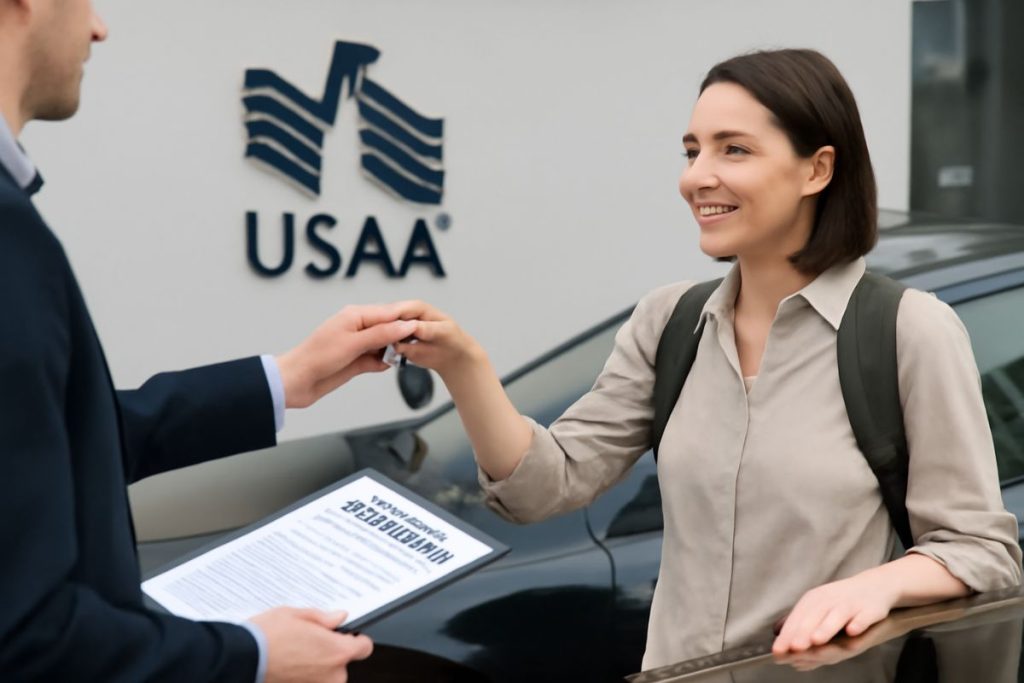
USAA auto insurance offers the same foundational coverage as other insurers: liability, collision, and comprehensive. These coverages protect you when driving your own vehicle, and they also determine how a rental car is covered:
- Liability coverage
pays for injuries or property damage you cause to others. According to USAA’s rental car advice, liability coverage from your primary policy typically extends to a rental car. The amount USAA will pay is capped at the same limits you selected for your personal vehicle. That means if you carry $100,000/$300,000 in liability coverage, those limits apply when you drive a rental car.
- Collision coverage
pays to repair or replace your car if you hit something. USAA explains that collision coverage from your regular policy will cover accident‑related damage to a rental car. If you have collision coverage, you may not need to purchase the rental agency’s collision damage waiver (CDW), though you’ll still have to pay your deductible.
- Comprehensive coverage
covers non‑collision losses such as theft, vandalism, fire, or weather events. USAA notes that comprehensive coverage on your own car can protect a rental vehicle from theft or vandalism. This could eliminate the need for the rental company’s loss‑damage waiver (LDW).
Rental reimbursement coverage is different. This optional add‑on pays for a rental car while your own vehicle is in the shop for covered repairs. It does not provide insurance for damage to the rental vehicle itself. Many people confuse rental reimbursement with rental car insurance; in reality, it simply helps you get around while your car is being repaired.
Understanding these categories helps clarify what you need when renting. If you carry liability, collision, and comprehensive coverage, your USAA policy typically extends those protections to rental cars in the United States. But there are important nuances and exclusions to be aware of.
USAA Rental Car Coverage at a Glance – 2026 Comparison?
Renting a car with USAA coverage can feel confusing. Liability, collision, comprehensive, credit card benefits, and rental reimbursement all work together differently. Here’s a clear comparison so you can see at a glance what’s covered in the U.S. and abroad.
| Coverage Type: Covered. Is it covered | d in the U.S.? | Covered Internationally? | Deductible Applies? It | Member Notes |
|---|---|---|---|---|
| Liability | Yes | Usually No | No | Covers injury or property damage you cause; consider supplemental coverage if limits are low. |
| Collision | Yes | No | Yes | Pays for accident damage; you may not need the rental company’s CDW in the U.S. |
| Comprehensive | Yes | No | Yes | Protects against theft, vandalism, fire, or weather-related loss. |
| Credit Card ARCDW | Secondary | Primary | No | Covers collision/theft abroad when you pay fully with a USAA card; ideal for international rentals. |
| Rental Reimbursement | Yes | No | No | Helps pay for a rental while your car is in the shop; not insurance for the rental itself. |
Remember, coverage isn’t automatic for every situation. Luxury vehicles, business trips, long-term rentals, or international rentals may need additional protection. Always review your USAA policy and credit card benefits before renting, so you stay fully protected and avoid unexpected costs.
Coverage for domestic rentals in the U.S.?
For rentals within the United States and its territories, your USAA auto insurance generally covers damage to a rental vehicle under the same limits and deductibles as your personal vehicle.

The USAA auto insurance FAQ explains that, in most states, your policy may provide coverage for rented cars, which would apply to the cost of repairing or replacing a damaged rental car. Here’s how it works:
- Liability protection:
If you cause an accident, your liability coverage pays up to your chosen limit for injuries and property damage. However, USAA notes that some drivers choose to purchase supplemental liability coverage from the rental company if their existing limits are low.
- Collision and comprehensive protection:
With collision and comprehensive coverage, USAA will cover damage to the rental car (minus your deductible). This means you can often decline the rental agency’s CDW or LDW, which can be expensive.
- Personal belongings:
If you have a homeowners or renters policy, it may cover personal items stolen from a rental vehicle. This eliminates the need for separate personal effects coverage, though certain items, such as jewellery or electronics, may have sub‑limits.
- Business rentals and commercial vehicles:
USAA warns that some auto policies may not cover a rental car when you’re travelling on business. In that case, you or your employer may need commercial auto coverage.
- Deductibles:
When using your own auto policy, you’ll have to pay your collision or comprehensive deductible if you damage the rental car. For example, if your car’s deductible is $500, you’ll pay that amount before USAA covers the rest.
In summary, yes, USAA car insurance usually covers rental cars within the U.S., but you should verify your policy limits, deductibles, and exclusions before declining the rental agency’s coverage.
USAA coverage for rental cars overseas?

Renting a car abroad introduces additional complications. USAA auto policies are generally limited to the United States, Puerto Rico, Guam, and U.S. territories. The company advises that if your policy is not based in the United States or you plan to rent outside the U.S., your rental may not be covered for liability or physical damage. Key points include:
- Territory limits:
USAA policies based in the U.S. typically cover rental cars in the U.S. and certain territories, but not foreign countries. Always verify your policy’s territory section before renting abroad.
- International rentals not covered:
The same USAA FAQ notes that international rental cars may not be covered. That means you would need to buy insurance from the rental agency or a third party when driving overseas.
- Credit card coverage can be primary overseas:
When using a USAA credit card, the Auto Rental Collision Damage Waiver can serve as primary coverage outside your country of residence. This means the credit‑card coverage may pay first for theft or collision damage when renting abroad, though you’ll still need to meet the liability requirements of the destination country.
If you plan to travel internationally, call USAA before renting to understand the policy territory and consider purchasing the rental company’s insurance. It may be required in some countries, and USAA’s coverage often doesn’t apply overseas.
USAA credit card Auto Rental Collision Damage Waiver?
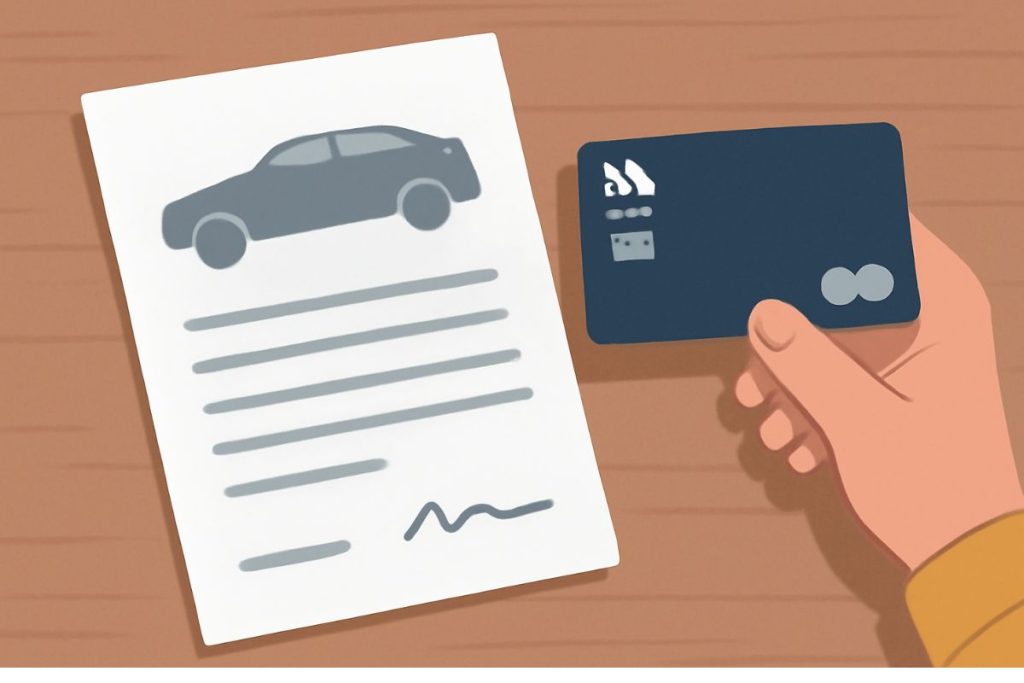
Beyond your auto policy, USAA credit cards offer a valuable Auto Rental Collision Damage Waiver (ARCDW). This benefit provides reimbursement for damage caused by theft or collision up to the actual cash value of the rental car. The key features are:
- What’s covered:
The ARCDW covers theft, collision damage, loss‑of‑use charges, administrative fees, and reasonable towing. It is designed to cover costs that would otherwise be the renter’s responsibility under the rental agreement.
- Secondary coverage in your country of residence:
Within your country of residence (usually the U.S.), the credit‑card benefit is secondary, meaning it supplements any other valid insurance. If you have personal auto insurance, the benefit reimburses the deductible and any leftover costs after your insurer pays. If you don’t have personal auto insurance, the benefit becomes primary and covers eligible damage.
- Primary coverage abroad:
When renting outside your country of residence, the credit‑card ARCDW becomes the primary coverage. This is especially useful when your auto policy doesn’t cover international rentals.
- 31‑day coverage limit:
The ARCDW covers rental periods up to 31 consecutive days. Rentals longer than 31 days are not covered, and splitting a longer rental into multiple contracts usually violates the terms.
- Eligible vehicles:
The benefit covers most passenger vehicles but excludes high‑value and exotic cars (e.g., Bentley, Ferrari, Tesla), cargo vans, trucks, motorcycles, off‑road vehicles, and passenger vans seating more than nine. Always check whether the type of vehicle you’re renting qualifies.
- What’s not covered:
The ARCDW does not cover personal liability, injury to others, loss or theft of personal belongings, depreciation, or illegal activities. It also excludes rentals longer than 31 days and any obligation assumed under the rental agreement beyond the deductible.
To use the benefit, you must pay for the entire rental with your USAA credit card, be the primary renter, and decline the rental company’s collision damage waiver. Failing to decline the CDW or splitting payment with another card can void coverage. Before driving off, inspect the car and note any pre‑existing damage.
Rental reimbursement coverage vs. rental car insurance?
Many USAA members believe they have rental car insurance because their policy includes rental reimbursement. In reality, these are different types of protection:
1. Rental reimbursement coverage
is an optional add‑on that pays for a rental vehicle while your own car is in the shop for covered repairs. It does not provide insurance for damage to the rental vehicle. coverage typically specifies a daily limit (e.g., $30–$50 per day) and a maximum number of days. You can add this coverage to your USAA policy for a small premium.
2. Rental car insurance
refers to coverage for damage to the rental car itself, which comes from your liability, collision, and comprehensive auto coverage or the credit‑card ARCDW.
Even if you rely solely on rental reimbursement, you may still be responsible for damage to the rental vehicle. Review your policy declarations to see whether you have rental reimbursement and decide if adding collision and comprehensive coverage is worthwhile.
Exclusions and limitations?
Although USAA’s coverage is robust, it has significant exclusions:
- Vehicle types not covered:
The credit‑card benefit and many auto policies exclude high‑value luxury or exotic cars, cargo vans, trucks, motorcycles, mopeds, motorbikes, recreational vehicles, and passenger vans seating more than nine. If you plan to rent a luxury or speciality vehicle, you’ll need to purchase coverage from the rental company or a third‑party insurer.
- International rentals:
As discussed, most USAA auto policies do not cover rental cars outside the U.S. and its territories. The credit‑card benefit provides primary coverage abroad, but liability and personal injury may not be covered, so you still need supplemental insurance.
- Business use and commercial rentals:
Some USAA policies exclude coverage when the rental is for business purposes. If you’re renting for work, ask your employer about commercial auto coverage.
- Duration limit:
The credit‑card benefit is limited to rentals of 31 days or fewer. Attempting to circumvent this by returning and re‑renting the same car may violate the terms.
- Contractual obligations and illegal activities:
The ARCDW does not cover obligations you assume under the rental agreement (other than your insurance deductible), nor does it cover damage resulting from illegal acts, reckless driving, off‑road use, or leaving the car unattended with the keys inside.
Understanding these exclusions prevents unpleasant surprises at the rental counter. Always read the rental agreement and your policy documentation, and call USAA if you’re unsure.
How to verify your coverage and file a claim?
Before renting a car:
1:Call USAA:
Contact USAA customer service to confirm whether your auto policy covers rental cars, including specifics about territory limits, business use, and deductibles. Asking these questions beforehand ensures you know where you’re covered and where you need extra protection.
2:Check your credit card benefits:
Review the Guide to Benefits for your USAA credit card (available online) to confirm that the Auto Rental Collision Damage Waiver applies to your card. Ensure that the vehicle you plan to rent is eligible and that you understand the claim process.
3:Decline the rental company’s CDW/LDW if appropriate:
If your USAA coverage is sufficient, politely decline the rental company’s collision or loss damage waiver. This step is required to use the credit‑card benefit.
4:Inspect the vehicle and document pre‑existing damage:
Note any scratches, dents, or mechanical issues. Taking photos or a video ensures you aren’t held responsible for prior damage.
If you need to file a claim:
- Accident or theft:
Contact the police (if required) and call USAA immediately. Provide details of the incident, your policy number, and the rental agreement.
- Credit‑card benefit claim:
For the ARCDW, call the Benefit Administrator within 60 days of the incident and complete any required forms. The administrator will guide you through submitting documentation such as the rental agreement, accident report, and repair estimates.
- Pay deductibles:
If your auto policy applies, you must pay your deductible before coverage kicks in. For credit‑card claims, the benefit reimburses the deductible and eligible costs.
Following these steps promptly ensures that repairs and reimbursements are handled efficiently.
Tips for renting a car with USAA insurance?
- Know your policy limits and deductibles
Understand how much liability coverage you carry and what your collision and comprehensive deductibles are. If your limits are low, consider purchasing supplemental liability coverage from the rental company.
- Use a USAA credit card
Paying for the rental with a USAA credit card can provide secondary or primary coverage for collision and theft. This can save you money by covering loss‑of‑use and administrative fees that your auto policy may not.
- Consider rental reimbursement coverage
It ensures you have transportation if your car is in the shop. It’s often inexpensive and can be a valuable add‑on.
- Purchase supplemental insurance when travelling abroad or renting excluded vehicles
Since USAA coverage may not apply abroad and excludes certain vehicle types, consider purchasing insurance from the rental agency or a third‑party provider when necessary.
- Read your rental agreement carefully
Understand what fees you could be responsible for and confirm whether the rental company imposes administrative fees or requires specific insurance.
Frequently asked questions
1. Does USAA car insurance cover rental cars in all U.S. states?
Yes. USAA auto insurance generally extends liability, collision, and comprehensive coverage to rental cars across the U.S. Just ensure the rental is for personal use and check your policy limits and deductibles.
2. Does USAA cover rental cars overseas?
Most USAA auto policies do not cover rental cars outside the U.S. and its territories. However, the Auto Rental Collision Damage Waiver on a USAA credit card provides primary coverage for collision and theft abroad, though you may still need to purchase supplemental liability insurance.
3. How long does USAA rental car coverage last?
Coverage under your auto policy lasts for the duration of the rental within the U.S., while the credit card ARCDW typically covers rentals up to 31 consecutive days. Longer rentals may require additional insurance.
4. Does my USAA policy include rental reimbursement?
Rental reimbursement is an optional add‑on that pays for a rental car while your car is in the shop after a covered loss. It does not automatically come with every policy. Check your declarations page or ask USAA to add it.
5. Should I still buy rental car insurance if I have USAA credit card coverage?
It depends. If you have high liability limits and full coverage on your auto policy, the USAA credit‑card benefit often provides enough protection for collision and theft. But if you’re travelling abroad, renting a luxury vehicle, or have low limits, you may want to purchase supplemental coverage for peace of mind.
Conclusion and call to action
Does USAA car insurance cover rental cars? In most cases, yes, your USAA auto policy extends liability, collision, and comprehensive coverage to rental vehicles within the United States, and your credit card offers robust collision damage coverage. However, coverage is subject to limits, deductibles, and exclusions.
International rentals, high‑value vehicles, business rentals, and extended rental periods often require additional insurance. To ensure you’re fully protected, review your policy documents, check your coverage limits, and call USAA before renting. When in doubt, consider purchasing supplemental coverage or using a USAA credit card to take advantage of the Auto Rental Collision Damage Waiver.
contents writer
At CarPolicyUSA, our team of U.S. auto insurance experts provides accurate, up-to-date guidance for USAA members. We simplify complex coverage rules, explain limits, deductibles, and credit card benefits, and ensure you make informed decisions. Trust CarPolicyUSA to protect you and your rental car on every trip.

1 thought on “Does USAA Car Insurance Cover Rental Cars? Complete Guide for Smart Drivers (2026))”